Metal Embossing Machines Overview: Understanding Industrial Sheet Metal Forming
Metal embossing machines are industrial devices designed to create raised or recessed patterns on metal sheets. The process is commonly used in manufacturing industries where textured or decorative metal surfaces are required.
Embossing works by pressing metal sheets between patterned rollers or dies. When pressure is applied, the metal forms into the shape of the design, producing a permanent texture. This process is widely used in industries such as automotive manufacturing, architectural design, packaging, and decorative metalwork.
Embossed metals are often used to enhance both appearance and structural functionality. Patterns can improve surface grip, strengthen thin metal sheets, and add visual texture to architectural panels or interior elements.
Manufacturers typically emboss metals such as:
-
Aluminum
-
Stainless steel
-
Copper
-
Brass
-
Mild steel sheets
Because the process does not remove material, it is considered an efficient metal forming technique within modern manufacturing.
Why Metal Embossing Technology Matters Today
Metal embossing plays a significant role in modern industrial production. Many sectors rely on textured metals to improve product performance and aesthetics.
Several industries benefit from embossing technology.
-
Construction and architecture use embossed metal panels for decorative wall cladding and ceilings.
-
Automotive manufacturing uses embossed parts to improve structural rigidity.
-
Packaging industries emboss metal sheets for branding and identification.
-
Consumer goods manufacturing uses embossing to add design patterns to appliances and metal surfaces.
The technology helps address several manufacturing challenges.
| Problem | How Embossing Helps |
|---|---|
| Weak thin metal sheets | Patterns increase structural strength |
| Slippery metal surfaces | Textures improve grip |
| Plain metal appearance | Decorative patterns enhance design |
| Surface identification | Logos and codes can be embossed |
Embossed surfaces can also improve durability because the patterns distribute mechanical stress more evenly across the material.
As industries move toward advanced manufacturing systems, embossing machines have become part of automated production lines.
Trends and Developments in Metal Embossing (2024–2025)
Recent developments in manufacturing technology have influenced how embossing machines operate. Over the past year, several trends have emerged in the metal forming sector.
Automation and smart manufacturing
In 2024, many manufacturers began integrating embossing machines with automated production systems. Computer numerical control (CNC) systems allow precise pressure control and pattern accuracy.
Digital pattern design
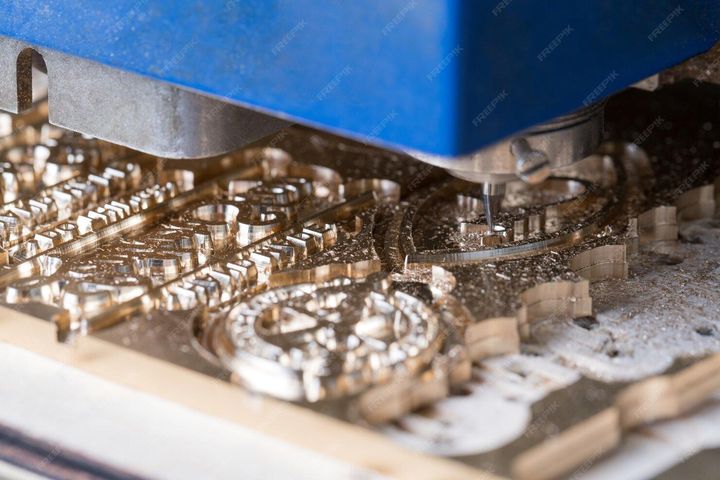
Modern embossing machines can now use digital design software to create complex textures. These designs are converted into precision dies using advanced machining processes.
Energy-efficient machinery
Manufacturing companies have been focusing on energy efficiency. New embossing systems introduced in late 2024 use improved hydraulic and servo mechanisms to reduce energy consumption.
Sustainable manufacturing practices
Sustainability initiatives have encouraged manufacturers to reduce waste and improve material efficiency. Since embossing reshapes metal without cutting or removing material, it supports sustainable manufacturing goals.
Industry 4.0 integration
Manufacturers increasingly connect embossing machines to industrial monitoring systems. These systems collect data on pressure, speed, and production efficiency to improve overall workflow.
| Trend | Impact on Manufacturing |
|---|---|
| Automation | Higher production accuracy |
| Digital design | Complex pattern creation |
| Energy-efficient systems | Reduced industrial energy usage |
| Smart monitoring | Real-time performance tracking |
These trends show how traditional metal forming processes are evolving with modern technology.
Regulations and Industrial Standards
Metal embossing machines operate within manufacturing environments that follow safety and industrial regulations. These regulations vary by country but generally focus on worker safety, equipment standards, and environmental impact.
In many industrial regions, manufacturing equipment must comply with machine safety directives and occupational safety guidelines.
Common regulatory frameworks include:
-
ISO 12100 – Safety of machinery standards
-
ISO 9001 – Quality management systems
-
ISO 14001 – Environmental management practices
In India, manufacturing facilities also follow guidelines from organizations such as:
-
Bureau of Indian Standards (BIS)
-
Ministry of Labour and Employment safety regulations
-
Industrial workplace safety standards
These policies encourage companies to maintain safe machine operation, proper maintenance routines, and controlled industrial processes.
Safety features typically required in modern embossing machines include:
-
Emergency stop systems
-
Protective machine guards
-
Pressure monitoring sensors
-
Operator safety training
Compliance with these regulations helps reduce workplace risks and ensures consistent production quality.
Tools and Resources for Learning About Metal Embossing
Professionals and learners interested in metal embossing technology can use various tools and educational resources to understand the process more effectively.
Several digital tools assist in designing embossed patterns and manufacturing components.
Design and simulation software
-
CAD software for pattern design
-
CAM software for die manufacturing
-
Industrial simulation platforms
Engineering resources
-
Manufacturing engineering textbooks
-
Industrial training manuals
-
Engineering university courses
Online learning platforms
-
Manufacturing engineering courses
-
Industrial design tutorials
-
Metal forming research publications
Industry organizations
-
International manufacturing associations
-
Metal forming research institutes
-
Industrial engineering forums
The table below highlights common tools used in the design and production stages.
| Tool Type | Purpose |
|---|---|
| CAD Software | Designing embossing patterns |
| CAM Software | Creating manufacturing instructions |
| Simulation Tools | Testing pattern strength and durability |
| Industrial Databases | Accessing manufacturing research |
These resources help engineers and designers understand the mechanical principles behind embossing and improve manufacturing efficiency.
Common Questions About Metal Embossing Machines
What is the difference between embossing and engraving?
Embossing reshapes the metal surface to create raised or recessed patterns without removing material. Engraving involves cutting or carving into the metal surface to create designs.
Which metals are commonly used for embossing?
Common metals include aluminum, stainless steel, copper, brass, and mild steel. These materials have suitable flexibility and strength for forming patterns.
Are embossing machines used only for decorative purposes?
No. While decorative patterns are common, embossing also improves structural rigidity, grip, and surface identification in industrial products.
What industries use embossed metal surfaces?
Industries such as construction, automotive manufacturing, packaging, appliance production, and interior design use embossed metals.
Can embossing machines create complex designs?
Yes. Modern embossing machines equipped with CNC systems and digital design tools can produce intricate and detailed patterns with high precision.
Visual Overview of the Embossing Process
The metal embossing workflow typically follows several key steps.
| Step | Description |
|---|---|
| Design Creation | Pattern designed using CAD tools |
| Die Manufacturing | Pattern converted into embossing rollers or dies |
| Sheet Preparation | Metal sheets cleaned and prepared |
| Embossing Process | Pressure applied through rollers or presses |
| Final Inspection | Pattern quality and surface finish evaluated |
Production efficiency often depends on machine pressure, roller alignment, and material thickness.
Conclusion
Metal embossing machines play an essential role in modern manufacturing by enabling the creation of textured metal surfaces with both functional and decorative value. The process enhances structural strength, improves surface grip, and contributes to the aesthetic design of metal products.
Advances in automation, digital design, and energy-efficient machinery have modernized embossing technology in recent years. These improvements allow manufacturers to produce highly detailed patterns while maintaining industrial efficiency.
Regulatory frameworks and safety standards ensure that embossing equipment operates safely within manufacturing facilities. At the same time, digital tools and educational resources continue to expand access to knowledge about metal forming technologies.
As industries move toward smart manufacturing systems and sustainable production methods, metal embossing machines remain a valuable technology within the broader field of industrial metal processing.