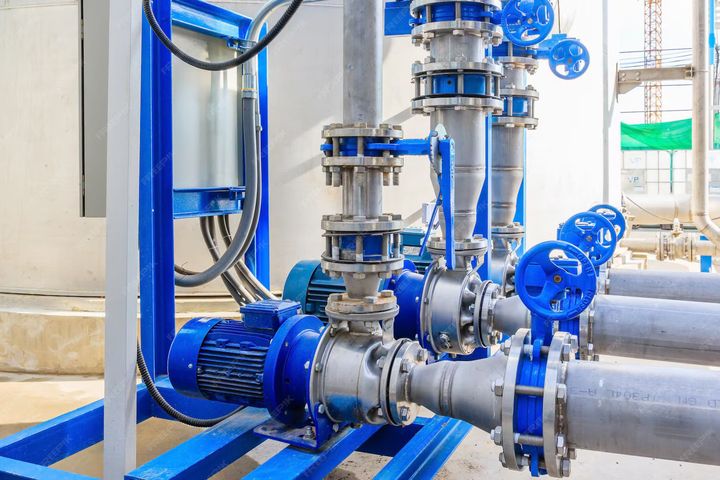
Industrial Pumps Guide: Types, Applications, and Working Principles
Industrial pumps are mechanical devices designed to move fluids such as water, chemicals, oil, slurry, and wastewater from one place to another. They play a critical role in large-scale operations where fluid transfer must be continuous, controlled, and efficient.
The concept of pumping fluids dates back centuries, but modern industrial pumps evolved with advancements in engineering and manufacturing. From early mechanical designs to high-efficiency systems used today, pumps exist to solve one essential problem: controlled fluid movement under varying pressure and volume conditions.
Industrial pumps are widely used in sectors such as:
-
Oil and gas processing
-
Power generation plants
-
Chemical manufacturing
-
Water and wastewater treatment
-
Food and beverage production
-
Construction and mining
These pumps operate using different mechanisms, including centrifugal force, positive displacement, and electromagnetic drive systems. Their design depends on fluid type, viscosity, pressure requirements, and environmental conditions.
Importance: Why Industrial Pumps Matter Today
Industrial pumps are fundamental to infrastructure and economic stability. Nearly every modern industry depends on reliable fluid handling systems to function efficiently and safely.
Their importance can be understood through the problems they solve:
-
Maintaining water supply and sanitation systems
-
Supporting refinery and petrochemical operations
-
Managing industrial cooling systems
-
Handling hazardous and corrosive fluids safely
-
Supporting renewable energy systems like geothermal plants
Energy efficiency is a major concern. Pumping systems account for a significant share of industrial electricity consumption worldwide. Improvements in hydraulic pump efficiency directly impact operational performance and environmental sustainability.
Industries also rely on predictive maintenance tools to prevent downtime. Equipment failure in large-scale operations can disrupt production lines and affect supply chains. Reliable pump systems help maintain stability in sectors that influence daily life, including clean drinking water and electricity generation.
Types of Industrial Pumps
Below is a simplified classification table of common industrial pump types:
| Pump Type | Working Principle | Common Applications |
|---|---|---|
| Centrifugal Pump | Uses rotating impeller | Water treatment, HVAC systems |
| Diaphragm Pump | Reciprocating diaphragm motion | Chemical processing |
| Gear Pump | Rotating gears move fluid | Oil transfer, lubrication systems |
| Submersible Pump | Operates underwater | Drainage, sewage systems |
| Peristaltic Pump | Roller compression mechanism | Pharmaceutical processing |
Centrifugal pump systems are the most widely used due to their simplicity and suitability for low-viscosity fluids. Positive displacement pumps are preferred when precise flow control is required.
Recent Updates and Trends in 2025–2026
In 2025 and early 2026, several trends have shaped the industrial pump sector globally:
Energy Efficiency Regulations (2025 Updates)
Many countries updated industrial energy performance standards in 2025 to reduce carbon emissions. New efficiency benchmarks focus on optimized motor systems and smart monitoring technology.
Smart Pump Integration
The integration of IoT sensors and AI-driven diagnostics has expanded. Industrial facilities now use predictive analytics to detect vibration changes, seal wear, and pressure fluctuations before failure occurs.
Digital Twin Technology
Digital twin systems are increasingly used to simulate pump performance in real time. This helps engineers optimize system design and reduce operational risk.
Sustainability Focus
Manufacturers are developing corrosion-resistant materials and low-friction components to reduce energy loss and extend equipment lifespan.
These updates reflect a broader global focus on automation, environmental compliance, and operational resilience.
Laws and Policies Affecting Industrial Pumps
Industrial pumps are influenced by safety, environmental, and energy-efficiency regulations. These laws vary by country but generally include:
Energy Efficiency Standards
Governments enforce minimum efficiency performance standards (MEPS) for electric motors used in pump systems.
Environmental Protection Regulations
Industrial wastewater discharge rules require reliable pumping systems in treatment plants to meet environmental compliance standards.
Workplace Safety Laws
Occupational safety regulations require proper installation, monitoring, and maintenance to prevent leakage of hazardous fluids.
Emission Reduction Policies
Carbon reduction targets encourage industries to adopt energy-efficient pumping systems to minimize power consumption.
In countries like India, regulatory frameworks related to energy conservation and industrial safety indirectly affect pump design and operation standards.
Tools and Resources for Industrial Pump Management
Several tools and platforms support engineers and plant managers in monitoring and optimizing pump systems:
-
Pump efficiency calculators
-
Hydraulic simulation software
-
Predictive maintenance dashboards
-
Energy audit templates
-
Industrial IoT monitoring platforms
Widely recognized organizations that provide standards and technical resources include:
-
Hydraulic Institute
-
International Organization for Standardization
-
Bureau of Energy Efficiency
These institutions publish guidelines on pump performance, testing procedures, and energy conservation practices.
Below is a simplified performance comparison graph explanation:
Flow Rate vs Energy Consumption Trend
Higher flow rates generally increase energy demand. However, optimized impeller design and motor efficiency can flatten the consumption curve, improving overall system performance. Smart control systems adjust speed dynamically, preventing energy waste during low-demand periods.
Industrial Pump Performance Factors
Key variables influencing pump performance include:
-
Fluid viscosity
-
Temperature
-
Suction head conditions
-
Motor efficiency rating
-
Seal integrity
-
System design layout
Engineers often conduct lifecycle analysis to determine long-term reliability and energy usage patterns.
Maintenance and Risk Management
Preventive maintenance helps reduce operational risk. Standard practices include:
-
Regular vibration analysis
-
Seal inspection
-
Lubrication checks
-
Pressure and flow monitoring
-
Alignment verification
Neglecting maintenance may lead to cavitation, overheating, and mechanical wear, which reduce system lifespan.
FAQs
What is the main difference between centrifugal and positive displacement pumps?
Centrifugal pumps use rotating impellers to move fluid, while positive displacement pumps move fixed volumes using mechanical motion. The choice depends on fluid type and pressure requirements.
Why is pump efficiency important in industrial operations?
High-efficiency pumps reduce energy consumption, lower operational emissions, and improve system reliability.
How often should industrial pumps be inspected?
Inspection frequency depends on application and usage intensity. High-demand systems typically require monthly checks and annual performance testing.
What causes pump cavitation?
Cavitation occurs when vapor bubbles form due to low pressure and collapse inside the pump, potentially damaging internal components.
Are industrial pumps used in renewable energy systems?
Yes, they are used in geothermal plants, hydroelectric facilities, and cooling systems in solar power installations.
Conclusion
Industrial pumps form the backbone of modern infrastructure and industrial activity. They ensure reliable fluid movement across critical sectors such as energy, manufacturing, water treatment, and construction.
With growing emphasis on energy efficiency, automation, and sustainability in 2025–2026, pump technology continues to evolve through digital monitoring, smart controls, and regulatory alignment.
Understanding pump types, performance factors, and compliance requirements helps industries improve operational stability while meeting environmental and safety standards. As infrastructure expands and global sustainability goals advance, industrial pump systems will remain essential to economic development and public welfare.