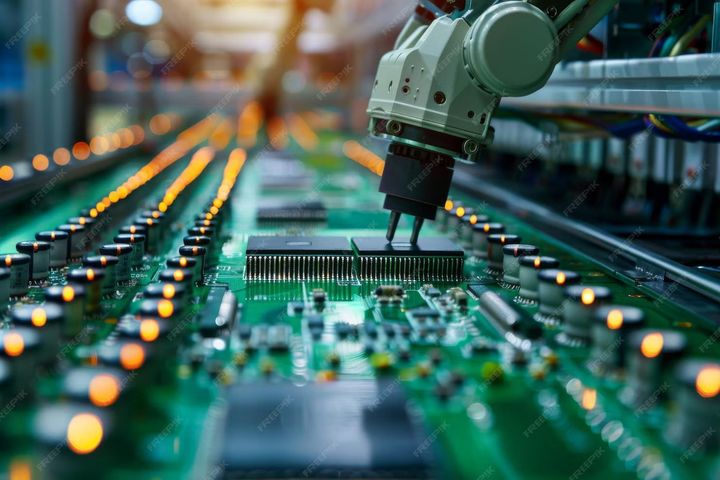
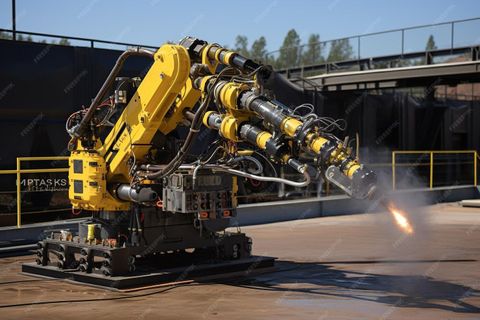
During manufacturing, many circuit boards are produced together on a single large panel to improve efficiency. After the electronic components are mounted and soldered, each board must be separated precisely. This is where PCB routing machines play a critical role.
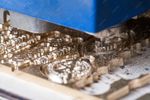
These machines use high-speed rotating cutting tools to remove material around the circuit board edges. The process is known as PCB depaneling, and it ensures that each board is separated without damaging sensitive electronic components.
Modern PCB routing systems are computer-controlled and capable of extremely precise movements. Using CNC routing technology, they follow predefined cutting paths that match the layout of the circuit board.
Common industries using PCB routing technology include:
-
Consumer electronics manufacturing
-
Automotive electronics systems
-
Aerospace circuit assembly
-
Medical device production
-
Industrial automation equipment
The increasing complexity of electronic devices has made automated PCB routing machines an essential part of electronics manufacturing.
Why PCB Routing Machines Matter in Modern Electronics
The demand for compact and high-performance electronics has increased significantly in recent years. Devices are becoming smaller while integrating more functionality. This trend has made PCB manufacturing more complex and precision-dependent.
PCB routing machines help solve several important challenges in electronics production.
First, they improve precision and accuracy. High-density circuit boards often contain delicate components located close to the edges. Manual cutting methods could damage these components, but automated routing ensures clean separation.
Second, routing machines increase manufacturing efficiency. Electronics factories produce thousands of boards daily. Automated routing systems can process large volumes quickly and consistently.
Third, they support quality control standards. In industries such as medical electronics and aerospace systems, strict manufacturing tolerances must be maintained. Routing machines provide repeatable accuracy that supports these requirements.
Another important advantage is reduced mechanical stress. Alternative methods such as punching or snapping boards apart can introduce stress into solder joints or circuit traces. Routing machines minimize this risk by removing material gradually with controlled cutting.
The impact of PCB routing technology is visible across many modern devices:
| Industry | Example Applications |
|---|
| Consumer Electronics | Smartphones, tablets, wearable devices |
| Automotive | Engine control modules, ADAS sensors |
| Medical | Diagnostic equipment, patient monitors |
| Aerospace | Navigation systems, avionics |
| Industrial Automation | Control boards and robotics |
Because of these applications, routing technology plays a key role in ensuring electronic reliability and manufacturing scalability.
Recent Trends in PCB Routing Technology
The electronics manufacturing sector has experienced several technological developments during the past year.
One major trend is the integration of automation and smart manufacturing systems. Many modern PCB routing machines now support Industry 4.0 frameworks that allow equipment to communicate with factory management systems.
In 2024 and 2025, several manufacturers introduced routing machines that incorporate:
-
Vision alignment systems for accurate cutting paths
-
AI-based quality monitoring
-
Automatic tool wear detection
-
Real-time production analytics
Another trend is the rise of high-density interconnect (HDI) circuit boards. These boards contain smaller traces and microvias, requiring extremely precise depaneling techniques. Routing machines with advanced CNC control and vibration reduction are increasingly used for these designs.
Manufacturers are also focusing on dust control and environmental protection. PCB routing produces fine particles that must be captured using vacuum extraction systems. Modern equipment includes improved dust collection units to protect both machines and factory environments.
Recent developments have also emphasized energy-efficient manufacturing systems, as electronics companies adopt sustainability goals.
The following table summarizes notable technological improvements introduced during 2024–2025.
| Technology Trend | Description | Industry Impact |
|---|
| AI Quality Monitoring | Detects cutting errors automatically | Higher manufacturing accuracy |
| Vision Alignment Systems | Cameras guide routing paths | Reduced board damage |
| Industry 4.0 Integration | Data connectivity with factory systems | Smarter production monitoring |
| Advanced Dust Extraction | Improved particle capture systems | Safer working environments |
These improvements highlight the ongoing innovation occurring within the electronics manufacturing ecosystem.
Regulations and Policies Affecting PCB Manufacturing
PCB routing machines operate within a manufacturing sector that is influenced by several international regulations and industry standards.
Environmental regulations are particularly important. Printed circuit board production involves materials such as copper, solder, and chemical treatments. Governments and regulatory organizations enforce rules to reduce environmental impact.
One widely recognized regulation is the Restriction of Hazardous Substances (RoHS) directive. This policy limits the use of specific hazardous materials in electronic equipment, including lead, mercury, and cadmium.
Another major framework is Waste Electrical and Electronic Equipment (WEEE) regulations, which focus on responsible recycling and disposal of electronic products.
Electronics manufacturers often follow international quality standards such as:
-
IPC manufacturing standards for PCB fabrication
-
ISO 9001 quality management systems
-
ISO 14001 environmental management standards
In countries with major electronics manufacturing sectors—such as China, South Korea, Japan, Germany, and the United States—government initiatives also support advanced manufacturing technologies.
For example, several national industrial strategies introduced between 2023 and 2025 promote automation, semiconductor development, and electronics supply chain resilience. These policies indirectly influence PCB routing machine development and adoption.
Compliance with these regulations ensures safer manufacturing practices and environmentally responsible electronics production.
Tools and Resources Used in PCB Routing and Design
Professionals involved in PCB manufacturing rely on several digital tools to design circuit boards and prepare them for routing and depaneling.
These tools help engineers create layouts, simulate electrical performance, and generate routing paths.
Common PCB design software platforms include:
-
Altium Designer – widely used professional PCB design environment
-
KiCad – open-source PCB design platform
-
Autodesk Eagle – electronic design automation software
-
Cadence Allegro – advanced PCB layout tool used in enterprise design
Additional resources used during the manufacturing process include:
Manufacturing analysis tools
Engineering resources
-
IPC standards documentation
-
Electronics engineering textbooks
-
Online circuit design communities
Educational platforms
-
Electronics engineering courses
-
PCB design training tutorials
-
manufacturing technology webinars
These resources support engineers, researchers, and manufacturing professionals working in electronics design and fabrication.
Frequently Asked Questions About PCB Routing Machines
What is a PCB routing machine used for?
A PCB routing machine is used to separate individual printed circuit boards from larger manufacturing panels using precision cutting tools. This process ensures accurate board separation without damaging components.
How does PCB routing differ from other depaneling methods?
PCB routing removes material using rotating cutting bits, while other methods such as V-scoring or punching rely on mechanical force. Routing typically produces less stress on circuit boards and allows more flexible board shapes.
Which industries commonly use PCB routing machines?
PCB routing machines are widely used in consumer electronics, automotive electronics, aerospace systems, medical devices, and industrial automation manufacturing.
Why is precision important in PCB depaneling?
Electronic components are often located near the edges of circuit boards. Accurate routing prevents damage to solder joints, electrical traces, and delicate components during separation.
What files guide the routing process in manufacturing?
Manufacturers typically use Gerber files and CNC routing files generated during PCB design. These files contain the exact cutting paths and dimensions required for the routing machine.
Conclusion
PCB routing machines play a crucial role in the electronics manufacturing process. By enabling precise separation of printed circuit boards, these machines help maintain quality, reliability, and efficiency across a wide range of industries.
As electronic devices continue to evolve, PCB designs are becoming more complex and densely packed. This has increased the importance of advanced routing systems capable of delivering consistent precision.
Recent technological developments—including smart manufacturing integration, AI-assisted quality monitoring, and improved environmental controls—are shaping the future of PCB routing technology.
Understanding how these machines operate provides valuable insight into the broader electronics manufacturing ecosystem. From circuit board design tools to international manufacturing standards, PCB routing technology remains an essential part of modern electronics production.