Ship Hull Welding Robots Overview for Modern Shipbuilding
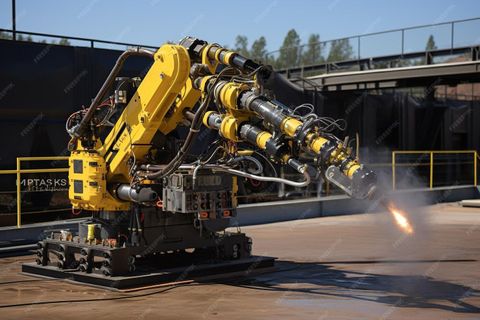
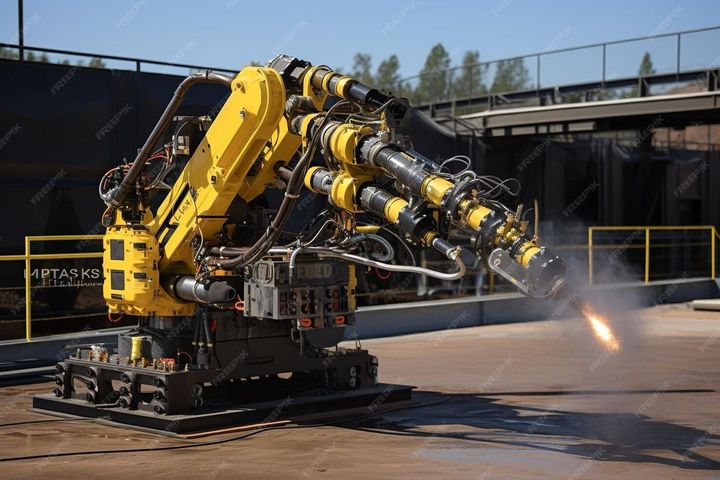
Ship hull welding robots are advanced automated systems designed to perform welding tasks on large marine structures. These robots are widely used in shipyards to join steel plates and structural components that form the outer shell and internal framework of ships. As vessels become larger and more complex, traditional manual welding methods face challenges related to precision, productivity, and workplace safety.
In marine engineering and industrial manufacturing, welding is a critical process that directly affects structural integrity. Robotic welding systems help shipbuilders maintain consistent weld quality across long seams, curved surfaces, and confined spaces. The growth of automation in heavy industries has accelerated the adoption of robotic welding technology in ship construction and offshore fabrication.
Ship Hull Welding Robots Guide to Industrial Automation
Robotic welding in shipbuilding exists to address the scale and complexity of marine vessels. Hull structures involve kilometers of welded seams, thick steel plates, and high-strength materials. Manual welding can be time-consuming and physically demanding, especially in large dry docks and fabrication yards.
Ship hull welding robots typically include:
-
Gantry-mounted welding robots
-
Magnetic crawler welding robots
-
Rail-guided robotic arms
-
Automated submerged arc welding (SAW) systems
-
Vision-based seam tracking systems
These systems use sensors, programmable logic controllers (PLCs), and computer numerical control (CNC) integration to ensure precision alignment and consistent weld penetration. Advanced models integrate with digital twin software and ship design CAD platforms, improving workflow between design and production teams.
From a manufacturing automation perspective, these robots reduce human error and improve repeatability. They are particularly useful for:
-
Longitudinal and transverse hull seams
-
Block assembly welding
-
Double-hull tanker construction
-
Offshore platform modules
Ship Hull Welding Robots Importance in Modern Marine Engineering
Ship hull welding robots matter today because global shipping, offshore energy, and naval defense demand high structural reliability. Even minor welding defects can affect vessel safety, fuel efficiency, and compliance with maritime standards.
Key reasons this technology is important include:
Improved Structural Integrity
Robotic systems maintain consistent welding parameters such as voltage, travel speed, and arc length. This consistency improves weld strength and reduces rework.
Enhanced Workplace Safety
Shipbuilding involves high temperatures, fumes, and heavy steel components. Welding robots reduce direct exposure to hazardous environments, supporting occupational safety compliance.
Higher Productivity
Automated welding systems can operate continuously with minimal interruption, improving production schedules and reducing downtime in large-scale shipyards.
Digital Manufacturing Integration
Modern shipyards are moving toward Industry 4.0 practices. Welding robots connect with enterprise resource planning (ERP) systems and production management software, allowing real-time monitoring and quality control.
The following table compares manual welding and robotic welding in ship hull fabrication:
| Factor | Manual Welding | Robotic Welding |
|---|---|---|
| Weld Consistency | Varies by operator | Highly consistent |
| Production Speed | Moderate | High |
| Safety Exposure | Direct human exposure | Reduced human exposure |
| Data Tracking | Limited | Digital and traceable |
| Initial Setup Complexity | Low to moderate | Higher but scalable |
Industries affected by this shift include marine engineering, offshore oil and gas, defense shipbuilding, and heavy steel fabrication.
Ship Hull Welding Robots Insights into Recent Updates
Over the past year, shipbuilding automation has continued to evolve. In 2025, several major shipyards in Asia and Europe reported expanded investments in AI-driven welding systems and collaborative robotics (cobots). These systems integrate machine vision and real-time defect detection using artificial intelligence algorithms.
Recent trends include:
AI-Powered Weld Inspection
In 2025, more shipyards adopted automated ultrasonic testing and AI-based defect recognition tools. These systems analyze weld seams immediately after completion, reducing the need for manual inspection.
Green Shipbuilding Initiatives
As of 2025, environmental regulations targeting carbon emissions have encouraged shipbuilders to improve fuel efficiency through optimized hull designs. Robotic welding supports precise assembly, which contributes to smoother hull surfaces and better hydrodynamic performance.
Digital Twin Integration
Shipyards increasingly use digital twin technology to simulate welding sequences before production. This reduces material waste and supports predictive maintenance strategies.
Collaborative Robots in Block Assembly
In 2024–2025, collaborative robotic arms were introduced for mid-size hull sections. These systems work alongside technicians, improving flexibility in confined or complex areas.
These developments reflect broader industrial automation trends and increased demand for smart manufacturing solutions.
Ship Hull Welding Robots Explanation of Laws and Policies
Ship hull welding robots operate within strict maritime and industrial regulations. Welding quality directly affects vessel certification and international compliance.
Key regulatory frameworks include:
Classification Society Standards
Organizations such as Lloyd's Register and DNV set technical standards for ship construction. These bodies define welding procedures, inspection requirements, and material specifications.
International Maritime Regulations
The International Maritime Organization establishes safety and environmental regulations for global shipping. While it does not directly mandate robotics, its safety standards influence shipyard processes.
Occupational Safety Laws
In countries such as India, the United States, and South Korea, industrial safety laws regulate exposure to welding fumes, heat, and electrical hazards. Automation helps shipyards align with worker safety standards.
Environmental Compliance
Environmental rules concerning emissions and energy efficiency indirectly encourage precision manufacturing. Improved weld quality supports structural strength and reduces long-term maintenance requirements.
Government Programs
Some countries provide industrial modernization programs supporting digital manufacturing, smart factories, and robotics adoption in heavy industries. These programs aim to increase global competitiveness in shipbuilding.
Ship Hull Welding Robots Resources for Technology Adoption
Organizations exploring robotic welding systems often rely on specialized tools and digital platforms. Useful resources include:
-
CAD software for ship design and structural modeling
-
Welding parameter calculators for heat input and deposition rates
-
ERP systems for shipyard production planning
-
AI-based weld inspection software
-
Industrial robot programming simulators
-
Digital twin platforms for block assembly simulation
For example, engineering teams often use simulation software integrated with industrial robotics controllers to test welding paths before deployment.
Below is a simplified workflow graph showing robotic welding integration in shipbuilding:
Design (CAD Model)
↓
Digital Simulation and Path Planning
↓
Robotic Welding Execution
↓
Automated Inspection and Data Logging
↓
Quality Certification and Documentation
This structured approach improves traceability and aligns with advanced manufacturing best practices.
Ship Hull Welding Robots Facts and FAQs
What are ship hull welding robots used for?
They are used to weld large steel plates and structural sections that form the hull and framework of ships, offshore platforms, and marine vessels.
How do welding robots improve weld quality?
They maintain stable parameters such as arc voltage and travel speed, resulting in uniform weld penetration and fewer defects.
Are welding robots replacing human welders?
Robots support welders by handling repetitive or hazardous tasks. Skilled technicians remain essential for programming, supervision, and complex welding areas.
Do ship hull welding robots require special certification?
Yes. Welding procedures and robotic processes must comply with classification society standards and undergo inspection before vessel approval.
Can robotic welding reduce environmental impact?
Indirectly, yes. More precise welding reduces rework, material waste, and energy consumption, supporting sustainable manufacturing practices.
What types of welding processes are commonly automated?
Common automated methods include submerged arc welding (SAW), gas metal arc welding (GMAW), and flux-cored arc welding (FCAW).
Ship Hull Welding Robots Conclusion and Future Outlook
Ship hull welding robots represent a significant advancement in marine engineering and industrial automation. They exist to address the structural, safety, and productivity challenges of large-scale ship construction.
Their importance continues to grow as global shipbuilding moves toward digital transformation and smart factory models. With AI-powered inspection, digital twin integration, and improved compliance tracking, robotic welding systems are becoming central to modern shipyards.
Regulatory standards from classification societies and international maritime bodies ensure that these technologies operate within strict safety and quality frameworks. At the same time, government modernization programs encourage broader adoption of industrial robotics.
Looking ahead, ship hull welding robots are expected to integrate further with artificial intelligence, predictive analytics, and sustainable manufacturing initiatives. As marine engineering evolves, automation will remain a key driver of precision, safety, and long-term structural reliability in global shipbuilding.