Heavy Duty Pumps Guide: How Industrial Pump Technology Works in Modern Infrastructure
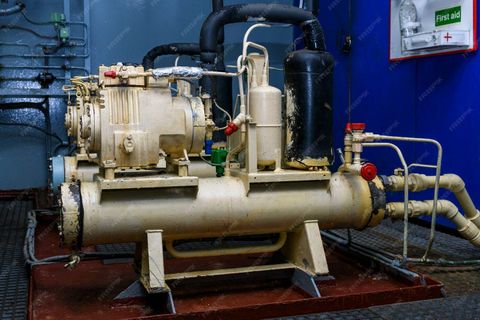
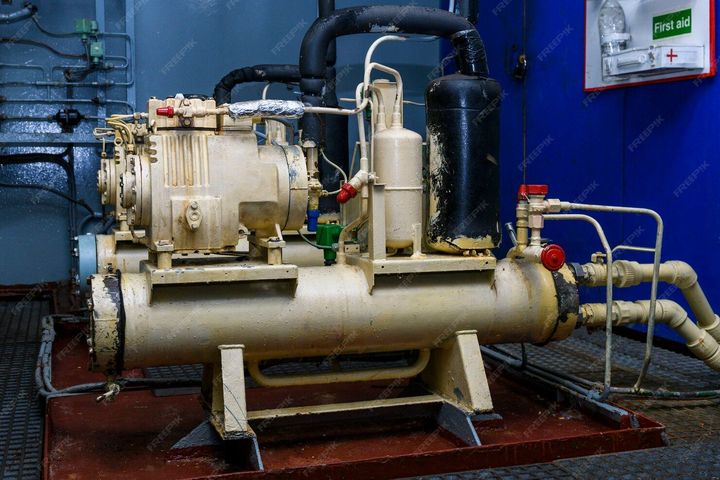
Heavy duty pumps are industrial machines designed to move large volumes of liquids or slurries in demanding environments. Unlike small residential pumps, these systems are built to handle high pressure, abrasive materials, continuous operation, and complex industrial conditions.
Industries such as mining, oil and gas, water treatment, power generation, chemical processing, and manufacturing rely on heavy duty pumps to maintain operational flow. These pumps often transport liquids over long distances or through pipelines where consistent pressure and reliability are essential.
Most heavy duty pumps are engineered using reinforced materials such as stainless steel, alloy metals, or corrosion-resistant polymers. These materials allow the pumps to operate in extreme conditions such as high temperature environments, corrosive chemical processes, or sediment-heavy water systems.
Industrial pump systems typically include several major components:
| Component | Purpose |
|---|---|
| Pump casing | Houses internal components and directs fluid flow |
| Impeller | Rotating part that moves liquid through centrifugal force |
| Shaft | Transfers rotational energy from motor to impeller |
| Seals | Prevent leakage during operation |
| Motor | Provides mechanical power for pumping |
In modern infrastructure, heavy duty pumps function as critical equipment that keeps industrial systems running smoothly.
Why Heavy Duty Pump Technology Matters Today
Heavy duty pump technology plays a central role in modern infrastructure and industrial operations. Many sectors depend on reliable pumping systems to move liquids safely and efficiently.
Key industries influenced by heavy duty pump systems include:
-
Water treatment and municipal supply
-
Oil and gas production
-
Mining and mineral processing
-
Power plants and cooling systems
-
Agricultural irrigation networks
-
Chemical processing facilities
One major reason these pumps matter today is the growing global demand for water management. Cities require efficient pumping systems to distribute drinking water and manage wastewater treatment plants.
Another important factor is energy production. Many power plants use large industrial pumps to circulate cooling water and maintain thermal stability within turbines and generators.
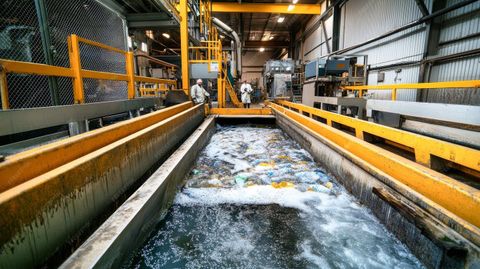
Heavy duty pumps also help prevent operational interruptions. In mining operations, for example, pumps remove groundwater from excavation areas. Without reliable pumping equipment, mining activity could stop completely.
The technology also supports environmental protection. Wastewater treatment facilities use specialized pumps to transport contaminated water through filtration and treatment stages before safe discharge.
Recent Developments and Industry Trends
The heavy duty pump industry has experienced several technological improvements in recent years. These developments focus on energy efficiency, digital monitoring, and predictive maintenance.
A significant trend during 2024–2025 has been the adoption of smart pump monitoring systems. Many industrial pumps now include sensors that collect performance data such as pressure, vibration, and temperature.
These sensors allow engineers to detect mechanical problems early and prevent unexpected equipment failure.
Another growing trend involves energy-efficient pump designs. Pump manufacturers have been developing optimized impeller geometries and improved motor technologies that reduce electricity consumption while maintaining performance.
According to engineering industry reports released in 2025, energy-efficient pumping systems can reduce industrial electricity consumption by up to 20–30% in some operations.
Digital automation is also expanding across industrial facilities. Modern pumping stations increasingly connect with industrial control systems, allowing operators to monitor pumps remotely.
Key technological trends include:
-
Smart sensors for predictive maintenance
-
Variable speed drive (VSD) motors
-
Remote monitoring dashboards
-
Energy-efficient impeller designs
-
Advanced corrosion-resistant materials
These innovations improve operational reliability while reducing energy waste and maintenance disruptions.
Regulations and Policies Affecting Industrial Pump Systems
Heavy duty pumps operate in industries that are regulated by environmental and safety standards. Governments establish guidelines to ensure that industrial fluid systems operate safely and responsibly.
In many countries, regulations related to water management and energy efficiency influence pump design and operation.
For example, environmental policies require wastewater treatment plants to meet specific discharge standards. Pump systems used in these facilities must reliably move wastewater through filtration and chemical treatment stages.
Energy efficiency regulations also influence pump technology. Many governments encourage industries to adopt efficient motors and pumping equipment to reduce electricity consumption and carbon emissions.
Examples of policy areas affecting pump systems include:
-
Industrial energy efficiency standards
-
Environmental discharge regulations
-
Water management programs
-
Workplace safety requirements
-
Infrastructure modernization initiatives
In India, government infrastructure programs and water management initiatives have increased the demand for advanced pumping technologies in municipal systems and irrigation networks.
Industrial safety standards also require proper installation, maintenance procedures, and monitoring for large pumping equipment.
Tools and Resources for Understanding Pump Systems
Engineers, technicians, and facility operators often rely on specialized tools and digital platforms when working with heavy duty pump systems.
These tools help with system design, performance analysis, and maintenance planning.
Common engineering tools include:
-
Pump performance calculators
-
Hydraulic system design software
-
Industrial monitoring dashboards
-
Predictive maintenance analytics platforms
-
Engineering simulation tools
Many manufacturers also publish pump performance charts that help engineers choose appropriate pump sizes for specific flow rates and pressure requirements.
Example Pump Performance Table:
| Pump Type | Typical Flow Range | Common Industry Use |
|---|---|---|
| Centrifugal pump | High flow | Water treatment plants |
| Slurry pump | Abrasive materials | Mining operations |
| Positive displacement pump | Precise flow control | Chemical processing |
| Multistage pump | High pressure systems | Boiler feed systems |
Performance curves are often used to analyze pump efficiency at different operating conditions.
A simplified conceptual graph might show how efficiency changes with flow rate:
| Flow Rate | Pump Efficiency |
|---|---|
| Low flow | Lower efficiency |
| Optimal flow | Highest efficiency |
| Excess flow | Efficiency declines |
Understanding these performance patterns helps engineers maintain stable and efficient pump operations.
Frequently Asked Questions About Heavy Duty Pumps
What is the main difference between heavy duty pumps and standard pumps?
Heavy duty pumps are designed for industrial environments where large volumes of liquid, high pressure, or abrasive materials are involved. They typically use stronger materials and operate continuously for long periods.
What industries use heavy duty pumps most frequently?
Several industries rely on heavy duty pumps, including mining, oil and gas, water treatment, agriculture, chemical manufacturing, and power generation.
How do engineers improve pump efficiency?
Efficiency improvements often involve selecting the correct pump size, optimizing impeller design, using variable speed motors, and monitoring performance data to maintain optimal operating conditions.
Why are monitoring systems important for industrial pumps?
Monitoring systems track performance indicators such as vibration, temperature, and pressure. This information helps identify mechanical issues early and supports predictive maintenance strategies.
What factors influence pump selection in industrial systems?
Engineers usually evaluate several factors when selecting pumps:
-
Fluid type and viscosity
-
Required flow rate
-
Pressure requirements
-
Environmental conditions
-
Material compatibility
These factors ensure the pump operates safely and efficiently in its intended application.
Conclusion
Heavy duty pumps are essential components in modern industrial infrastructure. They support large-scale fluid movement across industries ranging from water treatment and mining to energy production and chemical manufacturing.
Advances in smart monitoring technology, energy-efficient motor systems, and durable engineering materials have improved the reliability and performance of modern pump systems.
At the same time, environmental regulations and energy efficiency standards continue to influence how these systems are designed and operated.
Understanding the principles behind heavy duty pump technology helps engineers, infrastructure planners, and industry professionals maintain efficient operations while meeting safety and environmental requirements.
As global infrastructure continues to expand, reliable pumping systems will remain a key part of industrial and municipal development.