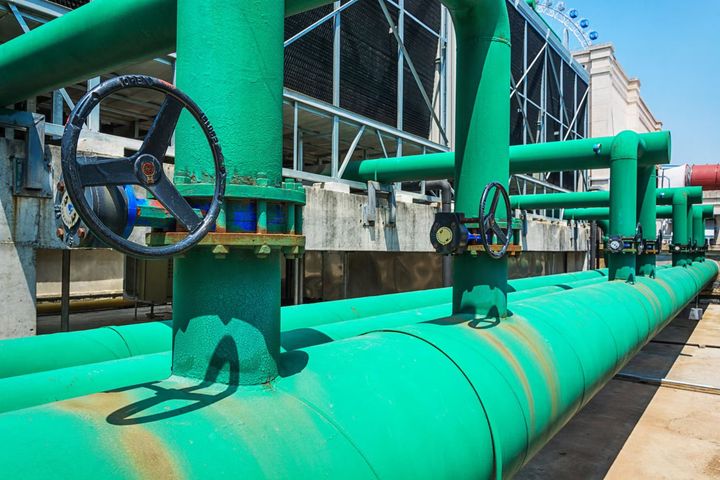
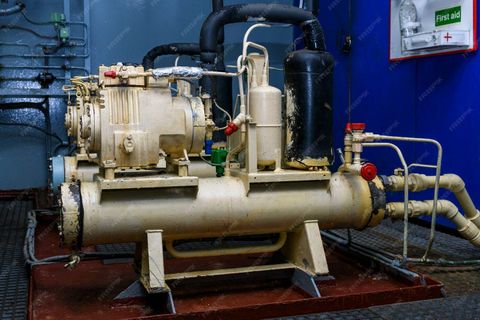
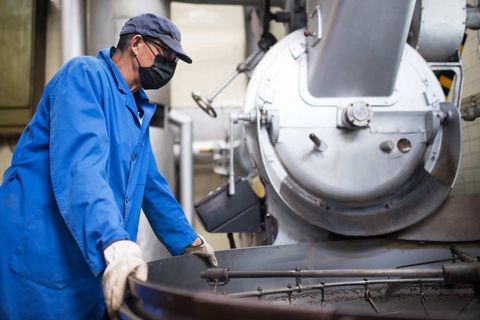
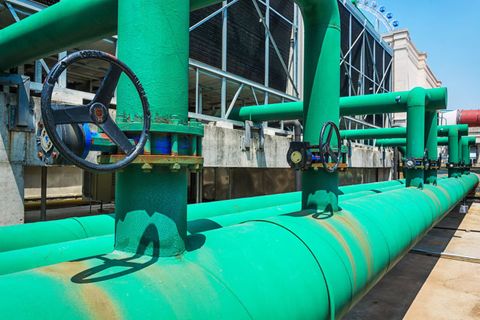
Natural gas originates from production fields where it is extracted from underground reservoirs. After processing and transmission over long distances through large pipelines, the gas enters regional distribution networks. At this stage, pressure is reduced and the gas is routed through smaller pipelines that extend throughout cities and towns.
Distribution systems typically include several components:
• City gate stations where gas enters local networks
• Pressure regulating stations that maintain safe delivery levels
• Underground pipelines that run beneath streets and neighborhoods
• Meters and monitoring systems that measure flow and usage
These systems are designed to operate continuously with safety and reliability as top priorities. Modern gas distribution networks also incorporate digital monitoring, leak detection technologies, and automated controls to maintain stable operation.
Why Gas Distribution Pipelines Matter Today
Energy infrastructure plays a major role in supporting economic activity, public services, and everyday life. Gas distribution pipelines are especially important because natural gas remains a widely used energy source across residential, industrial, and power generation sectors.
Key areas influenced by these networks include:
• Residential heating and cooking
• Industrial manufacturing processes
• Electricity generation in gas-fired power plants
• Commercial energy usage in buildings and institutions
The importance of distribution networks has increased in recent years as cities expand and energy demand grows. Urban development often depends on reliable gas infrastructure to support housing, businesses, and public facilities.
Another reason these systems matter is energy efficiency and environmental impact. Natural gas typically produces fewer carbon emissions compared to coal when used for electricity generation. Because of this, many countries view gas infrastructure as part of the transition toward cleaner energy systems while renewable energy capacity continues to expand.
Distribution pipelines also help address several challenges:
• Ensuring consistent energy delivery during peak demand
• Maintaining safe pressure levels across dense urban networks
• Monitoring infrastructure conditions to prevent leaks or failures
• Integrating digital monitoring systems for real-time data analysis
As a result, governments, utilities, and infrastructure planners invest heavily in maintaining and modernizing gas distribution networks.
Recent Updates and Infrastructure Trends (2024–2025)
Over the past year, several trends have influenced the development and management of gas distribution systems around the world.
One major trend is pipeline modernization and leak detection upgrades. In 2024 many infrastructure operators began replacing older cast-iron pipelines with polyethylene or coated steel pipelines. These materials improve durability and reduce leakage risk.
Another development involves smart pipeline monitoring systems. New technologies use sensors and automated pressure monitoring to detect irregularities. Utilities increasingly deploy remote monitoring platforms that analyze data from thousands of network points in real time.
Recent industry updates also highlight the integration of geographic information systems (GIS) for pipeline mapping. These digital maps allow engineers and maintenance teams to track pipeline locations, monitor infrastructure health, and plan upgrades more efficiently.
The following table summarizes some key infrastructure trends observed in 2024–2025.
| Infrastructure Trend | Description | Impact |
|---|
| Pipeline Material Upgrades | Replacement of older metal pipes | Improved safety and durability |
| Smart Monitoring Systems | Sensors and real-time data tracking | Faster detection of anomalies |
| GIS Pipeline Mapping | Digital infrastructure mapping tools | Better maintenance planning |
| Urban Network Expansion | New distribution lines in growing cities | Increased energy accessibility |
Another emerging topic is hydrogen blending research. Several pilot projects are exploring whether existing gas pipelines can transport small percentages of hydrogen mixed with natural gas. These projects aim to support long-term energy transition strategies.
Laws, Regulations, and Public Safety Policies
Gas distribution pipelines operate under strict regulatory frameworks to ensure safety, reliability, and environmental protection. Governments typically establish technical standards for pipeline construction, monitoring, and maintenance.
In India, pipeline infrastructure is regulated by the Petroleum and Natural Gas Regulatory Board (PNGRB). This regulatory body oversees pipeline network expansion, safety compliance, and infrastructure standards for natural gas transportation and distribution.
Several policies guide the development of city gas distribution systems, including licensing processes for infrastructure operators. These policies aim to expand gas availability while maintaining strict safety oversight.
Key regulatory requirements often include:
• Regular inspection of pipelines and pressure stations
• Leak detection and emergency response procedures
• Infrastructure documentation and mapping
• Environmental and construction approvals for new pipelines
Globally, other regulatory authorities such as the Pipeline and Hazardous Materials Safety Administration in the United States also enforce detailed safety standards for pipeline networks.
Government programs sometimes support pipeline expansion to improve energy access in growing urban areas. These programs often focus on connecting new residential zones, industrial clusters, and commercial districts to gas distribution networks.
Helpful Tools and Resources for Understanding Pipeline Systems
Various digital tools and information resources help engineers, planners, researchers, and students understand gas distribution networks and infrastructure systems.
Common tools used in pipeline planning and analysis include:
• Pipeline flow simulation software used to model pressure levels and gas movement
• GIS infrastructure mapping platforms for visualizing pipeline routes
• Leak detection monitoring systems connected to sensor networks
• Energy infrastructure databases maintained by government agencies
Some widely used platforms include:
| Tool Type | Purpose |
|---|
| Pipeline Simulation Software | Models gas flow, pressure changes, and capacity |
| GIS Mapping Platforms | Displays infrastructure locations and routes |
| Infrastructure Monitoring Systems | Detects pressure changes and anomalies |
| Energy Data Portals | Provides statistics and infrastructure data |
Educational resources are also available through energy agencies and technical organizations. These resources provide information about pipeline engineering, safety protocols, and infrastructure planning.
Students and researchers studying energy systems often use:
• Energy research publications
• infrastructure planning guides
• regulatory documents
• technical reports on pipeline safety and design
These resources help improve understanding of how distribution networks operate within broader energy systems.
Gas Distribution Pipeline Network Structure
Gas distribution systems are typically organized into multiple layers that manage pressure and gas flow from transmission networks to end users.
| Network Layer | Function |
|---|
| Transmission Pipelines | Transport gas over long distances |
| City Gate Stations | Transfer gas to local distribution systems |
| Medium Pressure Pipelines | Move gas across urban areas |
| Low Pressure Pipelines | Deliver gas to homes and buildings |
The network must maintain precise pressure control to ensure safe delivery. Pressure regulators reduce gas pressure step by step as it moves closer to residential or commercial users.
A simplified flow representation looks like this:
Transmission Network → City Gate Station → Distribution Network → Consumer Meters
Each stage requires monitoring equipment, safety valves, and inspection procedures.
Frequently Asked Questions
What is the main purpose of gas distribution pipelines?
Gas distribution pipelines deliver natural gas from regional transmission networks to homes, businesses, and industrial facilities at controlled pressure levels.
How are gas pipelines monitored for safety?
Operators use sensors, pressure monitoring systems, inspection tools, and periodic infrastructure assessments to detect leaks or structural issues.
Why are pipeline materials being upgraded in many regions?
Older pipelines made from cast iron or unprotected steel may corrode over time. Modern materials such as polyethylene offer improved durability and safety.
Can existing pipelines transport alternative gases?
Some research projects are evaluating hydrogen blending within natural gas pipelines. However, infrastructure compatibility varies and requires technical evaluation.
Who regulates gas distribution infrastructure?
Regulatory agencies in each country oversee pipeline construction, safety standards, inspections, and operational compliance.
Conclusion
Gas distribution pipelines form a vital part of modern energy infrastructure. They connect large transmission networks to local communities, ensuring that natural gas reaches homes, industries, and commercial facilities safely.
These systems rely on complex networks of pipelines, pressure control stations, and monitoring technologies. Over time, infrastructure modernization, digital monitoring systems, and improved materials have strengthened the reliability of distribution networks.
Recent developments between 2024 and 2025 highlight growing investments in pipeline upgrades, sensor technologies, and digital mapping systems. These improvements help infrastructure operators maintain safety standards and adapt to changing energy demands.
Government regulations and safety policies play a central role in managing pipeline networks. Regulatory agencies enforce strict standards to protect public safety and ensure responsible infrastructure operation.
As energy systems evolve, gas distribution pipelines will continue to serve as an essential link between energy resources and communities. Understanding how these networks function helps explain the broader structure of modern energy infrastructure and the systems that support daily energy use.