Fuel Cell Technologies Guide for Clean Energy and Hydrogen Power Systems
Fuel cell technologies are advanced energy systems that convert chemical energy into electrical energy through electrochemical reactions. Unlike traditional combustion engines, fuel cells generate electricity without burning fuel. Most systems use hydrogen fuel combined with oxygen from the air to produce electricity, heat, and water as a byproduct.
The main purpose of fuel cell development is to create low-emission power generation solutions that support clean energy transition goals. These systems are widely discussed in renewable energy investment, hydrogen infrastructure, electric vehicle technology, and industrial decarbonization strategies.
Fuel cells exist because modern economies require reliable, high-efficiency energy systems with reduced carbon emissions. As climate targets become more ambitious, governments and industries are exploring hydrogen fuel cells as an alternative to fossil-fuel-based power systems.
Why Fuel Cell Technologies Matter Today
Fuel cell technologies are important in today’s energy landscape for several reasons:
-
They support carbon reduction strategies in transportation and power generation.
-
They provide backup power systems for data centers and telecom networks.
-
They help industries move toward net-zero energy goals.
-
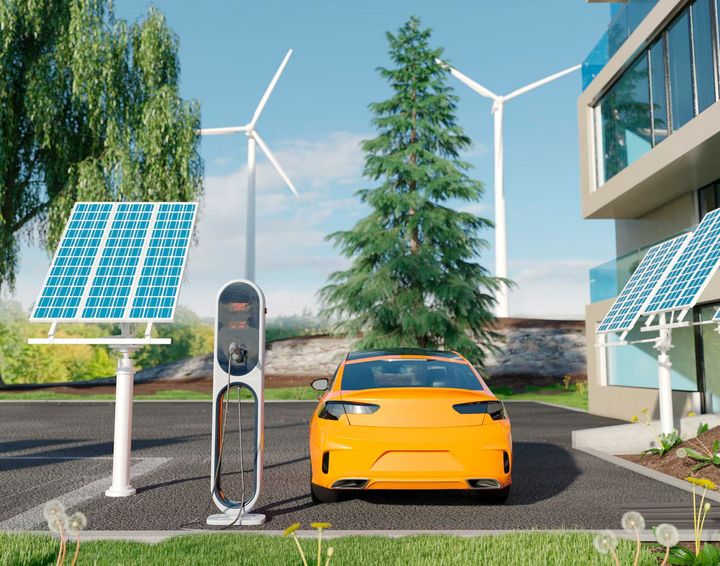
They enable energy storage integration with renewable sources like solar and wind.
Hydrogen fuel cells affect multiple sectors:
-
Automotive industry (fuel cell electric vehicles)
-
Commercial buildings and microgrids
-
Heavy-duty transport and logistics
-
Aerospace and maritime sectors
Key problems they address include:
-
High carbon emissions from fossil fuels
-
Grid reliability issues
-
Energy storage limitations
-
Industrial decarbonization challenges
The growing focus on green hydrogen production and hydrogen infrastructure development has positioned fuel cells as a strategic component of global clean energy policy discussions.
Overview of Fuel Cell Types and Applications
There are several main types of fuel cells, each designed for specific applications.
| Fuel Cell Type | Operating Temperature | Common Applications |
|---|---|---|
| PEMFC (Proton Exchange Membrane) | 60–80°C | Vehicles, portable power |
| SOFC (Solid Oxide Fuel Cell) | 600–1,000°C | Industrial power generation |
| MCFC (Molten Carbonate Fuel Cell) | ~650°C | Utility-scale plants |
| AFC (Alkaline Fuel Cell) | 60–90°C | Space programs |
PEM fuel cells are widely used in hydrogen-powered vehicles due to their quick startup time and compact design. SOFC systems are preferred for stationary power generation because of high efficiency and fuel flexibility.
Below is a simplified comparison of efficiency levels:
Fuel Cell Efficiency Comparison (Approximate)
PEMFC: 40–60%
SOFC: 50–65%
MCFC: 45–55%
Combined heat and power (CHP) configurations can increase total efficiency to over 80% by utilizing waste heat.
Recent Updates and Industry Trends in 2025–2026
Over the past year, hydrogen energy investment and fuel cell research have accelerated globally.
In 2025, several countries expanded hydrogen production capacity projects to support green hydrogen exports and domestic clean power goals. Large-scale electrolyzer installations increased in Asia and Europe, contributing to lower hydrogen production costs through technological improvements.
Automotive manufacturers continued testing heavy-duty hydrogen trucks in 2025. Infrastructure expansion for hydrogen refueling stations also progressed in select regions. In early 2026, pilot programs for hydrogen-powered trains and maritime vessels were reported in parts of Europe and East Asia.
Corporate investments in hydrogen fuel cell power plants for data centers also gained attention due to growing electricity demand from artificial intelligence workloads and cloud computing infrastructure.
Key trends include:
-
Scaling of green hydrogen production
-
Integration with renewable energy storage systems
-
Advanced fuel cell stack durability improvements
-
Expansion of hydrogen mobility infrastructure
These developments indicate steady progress in hydrogen economy adoption, though large-scale commercialization still depends on supportive policy frameworks and continued technological advancement.
Laws and Government Policies Supporting Fuel Cells
Fuel cell technologies are influenced by national energy strategies and climate policies.
In India, the National Green Hydrogen Mission launched in 2023 aims to make the country a global hub for green hydrogen production. Policy incentives encourage hydrogen manufacturing capacity, research funding, and pilot projects.
In the United States, the Inflation Reduction Act includes hydrogen production tax credits to support clean hydrogen development. In the European Union, hydrogen is part of the REPowerEU strategy, which focuses on energy security and decarbonization.
Common policy mechanisms include:
-
Carbon pricing systems
-
Renewable energy targets
-
Emission reduction mandates
-
Public funding for hydrogen research
Regulatory standards also guide safety protocols for hydrogen storage, transportation, and refueling infrastructure. Compliance with environmental and industrial safety guidelines is critical for project approvals.
Tools and Resources for Learning About Fuel Cells
Several organizations and platforms provide research, data, and educational materials related to fuel cell technologies.
-
International Energy Agency – Reports on hydrogen market trends and clean energy policies.
-
U.S. Department of Energy – Technical documents on hydrogen and fuel cell research.
-
Fuel Cell & Hydrogen Energy Association – Industry updates and white papers.
-
Ministry of New and Renewable Energy – Information on India’s hydrogen programs.
Helpful digital tools include:
-
Hydrogen production calculators (electrolysis efficiency models)
-
Carbon footprint estimation tools
-
Energy system modeling software such as HOMER Energy
-
Academic databases for fuel cell research publications
These resources help engineers, students, policymakers, and investors understand hydrogen infrastructure planning, clean energy finance, and advanced power system design.
Environmental and Economic Considerations
Fuel cell technologies offer environmental benefits but also face economic challenges.
Environmental advantages include:
-
Zero tailpipe emissions in hydrogen vehicles
-
Reduced greenhouse gas output when using green hydrogen
-
Quiet operation with minimal air pollutants
However, challenges include:
-
High capital expenditure for infrastructure
-
Limited hydrogen refueling networks
-
Energy losses during hydrogen production and storage
The environmental impact largely depends on how hydrogen is produced. Green hydrogen (produced using renewable electricity) has lower emissions compared to grey hydrogen (produced from natural gas).
Frequently Asked Questions
What is the difference between a fuel cell and a battery?
A battery stores electrical energy chemically and must be recharged. A fuel cell continuously generates electricity as long as fuel and oxygen are supplied.
Is hydrogen safe for transportation use?
Hydrogen is flammable, but modern storage tanks and safety systems are designed to meet strict regulatory standards. Safety protocols are similar to other industrial gases.
Are fuel cell vehicles widely available?
Fuel cell electric vehicles are available in limited markets where hydrogen refueling infrastructure exists. Adoption depends on infrastructure expansion.
Can fuel cells replace traditional power plants?
Fuel cells can complement traditional power systems, especially in distributed generation and backup power. Large-scale replacement depends on infrastructure and policy support.
How efficient are hydrogen fuel cells compared to combustion engines?
Fuel cells are generally more efficient than internal combustion engines because they convert chemical energy directly into electricity without burning fuel.
Fuel Cell Technologies Overview for Clean Energy Transition
Fuel cell technologies represent an evolving component of the global clean energy transition. By converting hydrogen into electricity through electrochemical processes, they offer low-emission alternatives for transportation, industry, and distributed power systems.
Recent investments in green hydrogen production, advancements in fuel cell stack durability, and supportive policy frameworks are helping expand their role in the energy sector. At the same time, infrastructure development and regulatory clarity remain essential for large-scale adoption.
As hydrogen energy systems mature, fuel cells are expected to contribute to decarbonization strategies, grid stability solutions, and sustainable mobility initiatives. Understanding their applications, limitations, and policy context is important for informed decision-making in the evolving renewable energy landscape.