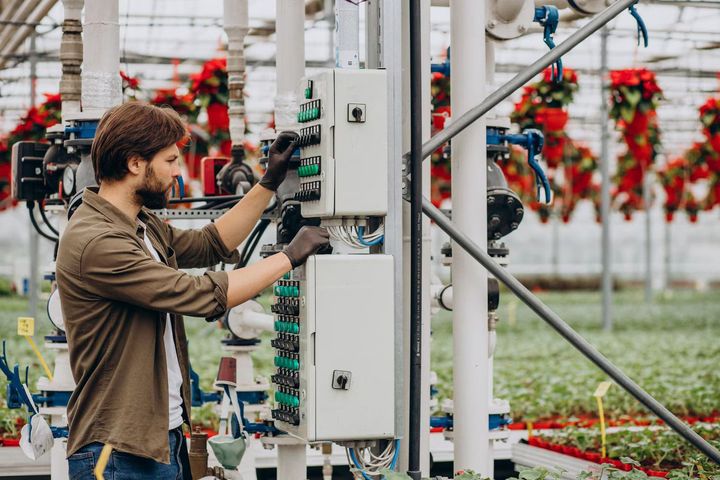
Smart grid controllers exist to manage this complexity. They monitor electricity flow, analyze grid conditions, and automatically adjust power distribution in real time. These controllers are connected to sensors, communication networks, and data systems that allow them to track voltage levels, demand changes, and system performance.
In simple terms, a smart grid controller works like a central coordinator for the electricity network. It helps balance supply and demand, prevent overloads, and improve grid stability. Without such intelligent control systems, managing modern decentralized energy networks would be difficult.
Smart grid controllers are commonly used in:
-
Utility power distribution networks
-
Renewable energy integration systems
-
Industrial power management
-
Microgrid environments
-
Smart city infrastructure
Because electricity demand and supply constantly change, these controllers allow power systems to respond automatically and maintain reliable operations.
Why Smart Grid Controllers Matter in Modern Energy Systems
The global electricity landscape has changed significantly in recent years. Several factors have increased the importance of smart grid controllers.
First, renewable energy generation is growing rapidly. Solar and wind power do not produce electricity at a constant rate, which creates fluctuations in supply. Smart grid controllers help manage these fluctuations by adjusting power flow and maintaining stable voltage levels.
Second, electricity demand patterns are evolving. Electric vehicles, smart homes, and industrial automation have increased energy consumption while also introducing new demand peaks. Intelligent controllers help utilities monitor demand and distribute electricity efficiently.
Third, many countries are modernizing their power infrastructure. Aging grid systems often struggle to handle modern electricity usage patterns. Smart grid technologies help improve reliability and reduce outages.
Smart grid controllers contribute to several key improvements:
-
Better integration of renewable energy sources
-
Improved electricity reliability and grid stability
-
Faster detection of power disturbances
-
More efficient energy distribution
-
Enhanced monitoring of electricity infrastructure
These benefits make smart grid controllers essential components of modern digital energy systems.
Recent Developments and Trends in Smart Grid Technology
The past year has seen notable progress in smart grid technologies and intelligent grid controllers.
In 2024, several countries increased investments in digital energy infrastructure to support renewable energy expansion and grid resilience. Utilities and technology companies introduced advanced controller platforms capable of processing large amounts of grid data.
One major trend is the integration of artificial intelligence and machine learning into smart grid controllers. AI algorithms help predict electricity demand, identify potential grid faults, and optimize power distribution strategies.
Another development involves edge computing in energy systems. Instead of sending all data to centralized systems, many smart grid controllers now process data locally. This allows faster response times and reduces communication delays.
Grid modernization programs also expanded globally during 2025, especially in regions investing in renewable energy adoption. Governments and energy regulators increasingly emphasize grid digitalization as part of long-term energy transition strategies.
Additional technology trends include:
-
Real-time grid monitoring using advanced sensors
-
Distributed energy resource management systems
-
Smart inverter integration
-
Cybersecurity improvements in energy networks
-
Digital twin models for power grid simulation
These developments indicate that intelligent grid control technologies will continue to evolve as energy systems become more complex.
Policies and Regulations Supporting Smart Grid Development
Government policies and regulations play an important role in shaping the development of smart grid technologies.
Many countries have introduced national programs focused on grid modernization and digital energy infrastructure. These initiatives aim to improve energy reliability while supporting renewable power integration.
In India, several government programs encourage smart grid development. The National Smart Grid Mission (NSGM) promotes advanced grid technologies, pilot projects, and research initiatives. The mission focuses on improving electricity distribution efficiency and enabling better monitoring of power systems.
Another important policy initiative is the Revamped Distribution Sector Scheme (RDSS) introduced by the Government of India in 2021, with ongoing implementation through 2025. This program supports modernization of power distribution networks, including digital monitoring systems and smart grid infrastructure.
Globally, organizations such as the International Energy Agency (IEA) and International Renewable Energy Agency (IRENA) encourage smart grid adoption as part of broader clean energy transitions.
Key regulatory goals related to smart grid controllers include:
-
Enhancing grid reliability and resilience
-
Supporting renewable energy integration
-
Improving energy data transparency
-
Strengthening grid cybersecurity standards
-
Encouraging digital infrastructure upgrades
Policies like these help utilities adopt advanced technologies that improve electricity system performance.
Tools and Resources for Understanding Smart Grid Systems
Several tools, platforms, and information resources help professionals and students learn about smart grid technologies and energy system management.
Energy simulation software is commonly used to analyze grid behavior under different conditions. These tools allow researchers and engineers to study how controllers manage power distribution, demand fluctuations, and renewable energy inputs.
Common learning and analysis resources include:
-
Grid simulation platforms for modeling electricity networks
-
Energy data dashboards used by utilities and researchers
-
Power system analysis software for studying voltage stability and load flow
-
Smart meter analytics platforms for energy consumption insights
-
Energy policy databases tracking national electricity programs
The following table highlights examples of useful resources.
| Tool Category | Purpose | Example Use |
|---|
| Grid Simulation Software | Model electricity networks | Study grid stability |
| Energy Data Platforms | Monitor electricity data | Analyze consumption patterns |
| Power System Analysis Tools | Evaluate grid performance | Voltage and load analysis |
| Smart Meter Analytics | Track electricity usage | Household energy monitoring |
| Policy Databases | Research energy regulations | Study national grid programs |
These resources support research, education, and infrastructure planning related to modern electricity systems.
Example Graph: Smart Grid Controller Data Flow
This simplified representation shows how data flows through a smart grid system. Sensors collect information from different parts of the network, controllers analyze the data, and the system adjusts power distribution accordingly.
Frequently Asked Questions
What is a smart grid controller?
A smart grid controller is a digital system that monitors and manages electricity distribution in modern power networks. It analyzes data from sensors and automatically adjusts power flow to maintain stable grid operations.
How do smart grid controllers improve electricity reliability?
These controllers detect fluctuations in voltage, frequency, and power demand. They respond quickly by adjusting electricity distribution, which helps prevent overloads and reduces the risk of power outages.
Are smart grid controllers used with renewable energy systems?
Yes. Smart grid controllers are especially important for renewable energy integration. They help manage variable power generation from solar panels, wind turbines, and other distributed energy sources.
What technologies are commonly used in smart grid controllers?
Modern controllers often use digital sensors, communication networks, data analytics, artificial intelligence algorithms, and automation software to manage electricity systems.
Why are governments investing in smart grid infrastructure?
Governments support smart grid technologies because they improve electricity reliability, support clean energy adoption, enhance grid monitoring, and help modernize aging power infrastructure.
Conclusion
Smart grid controllers are essential components of modern electricity systems. As power networks become more complex due to renewable energy integration, digital technologies play a critical role in maintaining reliable energy distribution.
These intelligent systems monitor grid conditions, analyze real-time data, and automatically adjust power flows to maintain stability. Their ability to respond quickly to changing conditions helps utilities manage demand fluctuations, reduce outages, and optimize energy distribution.
Recent technological advancements—including artificial intelligence, edge computing, and improved data analytics—are further enhancing the capabilities of smart grid controllers. At the same time, national policies and energy modernization programs continue to encourage adoption of digital grid infrastructure.
As countries transition toward more sustainable and decentralized energy systems, smart grid controllers will remain a key part of future electricity networks. Their role in maintaining grid stability and enabling renewable energy integration highlights their growing importance in modern power infrastructure.