Smart Agricultural Irrigation Explore Water Efficiency and Farm Technology
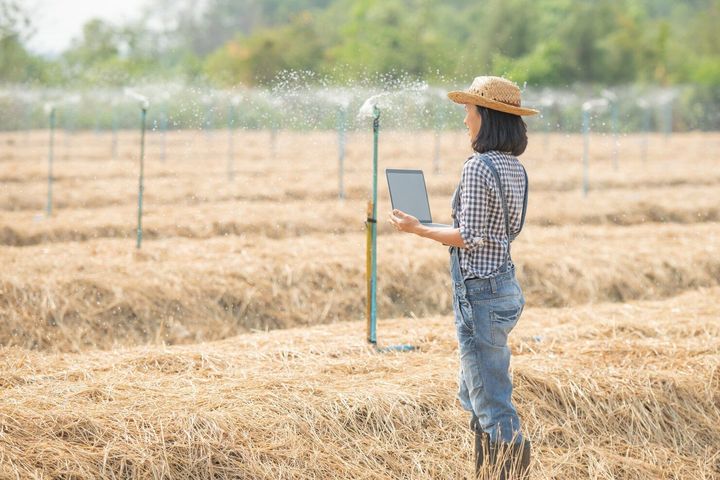
Smart agricultural irrigation refers to the use of advanced technology to manage water application in farming. It combines soil moisture sensors, weather data, automated valves, Internet of Things (IoT) devices, and cloud-based farm management software to deliver water precisely when and where crops need it.
Traditional irrigation systems often rely on fixed schedules. In contrast, smart irrigation adjusts watering based on real-time data such as soil conditions, temperature, humidity, and crop growth stages. This method supports precision agriculture, reduces water waste, and improves crop performance.
With increasing water scarcity and rising demand for agricultural output, farmers and agribusiness managers are turning to digital irrigation systems as part of broader climate-smart agriculture strategies.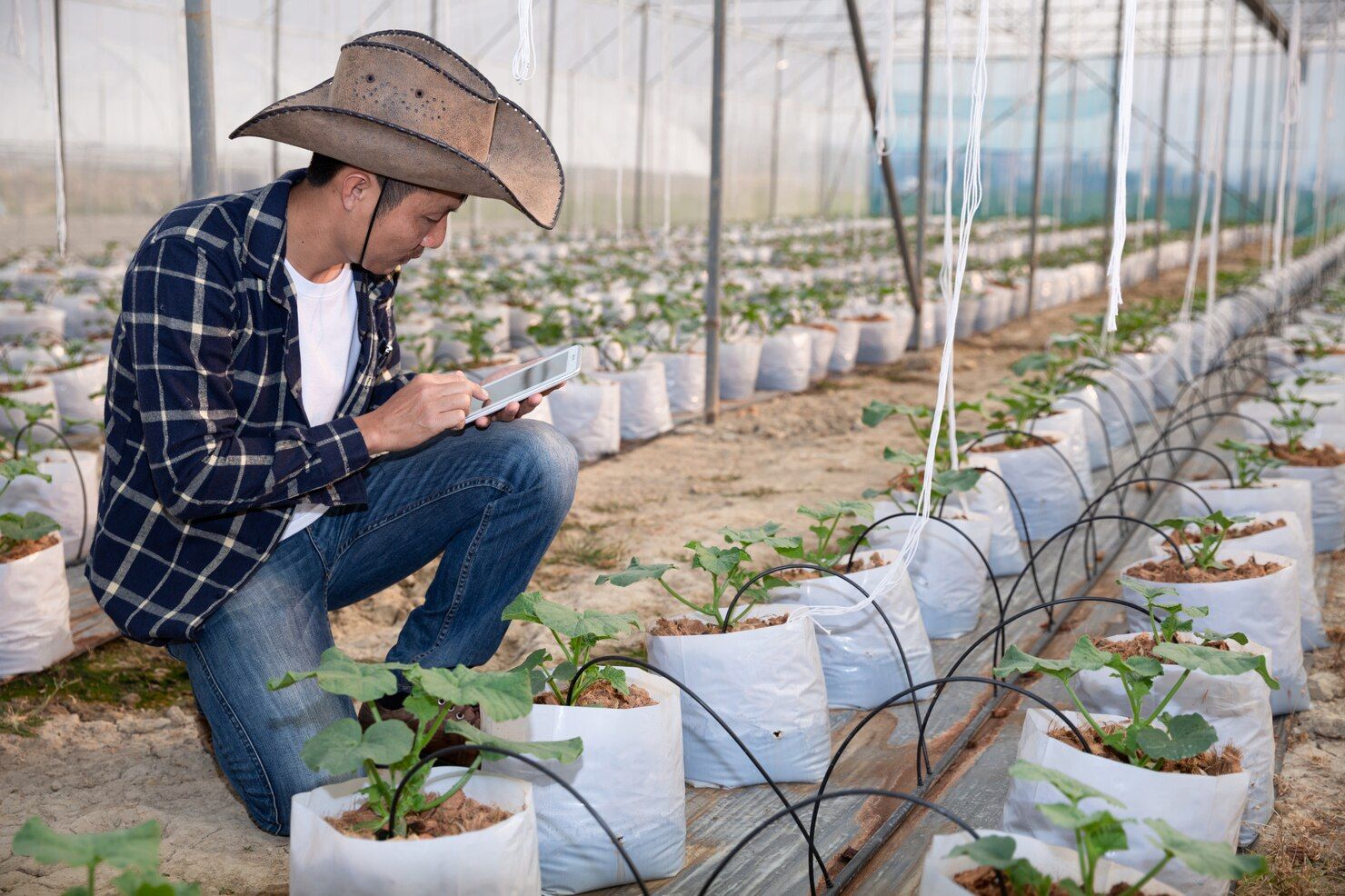
Why Smart Irrigation Matters Today
Water is one of agriculture’s most critical resources. In many regions, farming consumes over 60–70% of available freshwater. As climate variability increases, managing water efficiently becomes essential for:
-
Crop yield optimization
-
Soil health protection
-
Energy efficiency
-
Reduced input waste
-
Long-term farm sustainability
Smart irrigation systems benefit multiple groups:
-
Smallholder farmers seeking water conservation
-
Large agribusiness operations managing high-value crops
-
Governments focusing on food security
-
Environmental planners addressing groundwater depletion
Key problems smart irrigation helps solve include:
| Challenge | Smart Irrigation Solution |
|---|---|
| Overwatering | Automated soil moisture control |
| Water scarcity | Precision water scheduling |
| Rising energy use | Optimized pump operations |
| Labor shortages | Remote monitoring and automation |
| Climate unpredictability | Weather-based irrigation models |
By using real-time analytics and AI-driven farm management systems, irrigation decisions become more accurate and data-driven.
Recent Updates and Trends in 2025
In 2025, several global trends have influenced smart agricultural irrigation:
-
Increased adoption of AI-powered irrigation platforms
-
Expansion of satellite-based crop monitoring
-
Integration of climate data forecasting tools
-
Growth in solar-powered irrigation pumps
-
Wider use of mobile farm management apps
In India, initiatives under the Pradhan Mantri Krishi Sinchayee Yojana continue to promote “Per Drop More Crop” irrigation efficiency. Updates in early 2025 emphasized micro-irrigation expansion and digital monitoring systems.
Globally, organizations such as the Food and Agriculture Organization have highlighted smart water management as a key strategy in climate-resilient farming programs released in 2024–2025.
Emerging technologies now include:
-
AI-based evapotranspiration modeling
-
Drone-assisted crop moisture analysis
-
Cloud dashboards for irrigation analytics
-
IoT-enabled drip irrigation networks
These developments are making precision irrigation more accessible across developing and developed agricultural markets.
Laws, Regulations, and Government Programs
Smart irrigation is closely connected to environmental regulations and agricultural water policies.
In India, water management policies encourage micro-irrigation systems such as drip and sprinkler irrigation to reduce groundwater extraction. State governments provide technical support and infrastructure under agricultural modernization programs.
In the United States, agencies like the United States Department of Agriculture promote water conservation through conservation grants and sustainable agriculture programs.
In the European Union, water efficiency standards align with the Common Agricultural Policy (CAP), encouraging farmers to adopt digital irrigation management systems to meet sustainability goals.
Common regulatory considerations include:
-
Groundwater extraction limits
-
Environmental impact assessments
-
Energy efficiency standards
-
Data privacy compliance for digital farm platforms
Farmers adopting smart irrigation systems often align more easily with environmental compliance requirements.
Core Technologies Behind Smart Irrigation
Smart irrigation systems rely on several interconnected technologies:
Soil Moisture Sensors
These measure water levels directly in the soil and trigger irrigation only when needed.
Weather-Based Controllers
These adjust watering schedules using temperature, humidity, rainfall, and wind data.
IoT Connectivity
Devices communicate through cloud platforms for remote monitoring.
AI and Machine Learning
Algorithms analyze crop patterns and predict optimal watering cycles.
Solar Irrigation Pumps
Renewable energy systems reduce electricity dependency and operational impact.
Below is a simplified comparison of irrigation methods:
| Irrigation Type | Water Efficiency | Automation Level | Suitability |
|---|---|---|---|
| Flood Irrigation | Low | Minimal | Traditional farms |
| Sprinkler | Moderate | Partial | Medium farms |
| Drip Irrigation | High | High | Precision farming |
| Smart IoT Drip | Very High | Fully Automated | Commercial agribusiness |
Tools and Resources for Smart Irrigation
Farmers and agribusiness professionals can use various digital tools to manage irrigation effectively.
Weather and Climate Platforms
-
Satellite weather forecasting dashboards
-
Regional agro-meteorology portals
Mobile Apps
-
Soil moisture tracking applications
-
Crop growth monitoring tools
Farm Management Software
-
Cloud-based irrigation scheduling systems
-
Data analytics dashboards
Calculators and Planning Tools
-
Water usage calculators
-
Evapotranspiration estimation tools
-
Irrigation efficiency assessment templates
Research and Knowledge Platforms
-
Agricultural university extension portals
-
International climate-smart agriculture databases
-
Government agriculture ministry websites
These tools support informed decisions and improve return on agricultural investment without unnecessary resource waste.
Environmental and Economic Impact
Smart agricultural irrigation plays a central role in sustainable development. Benefits include:
Environmental Benefits
-
Reduced groundwater depletion
-
Lower fertilizer runoff
-
Decreased carbon footprint from pumping
Economic Benefits
-
Higher crop yield consistency
-
Reduced water and energy input
-
Improved farm profitability through efficiency
For high-value crops such as fruits, vegetables, and export-oriented produce, precision irrigation can significantly enhance production reliability.
Frequently Asked Questions
What is the difference between traditional and smart irrigation?
Traditional irrigation uses fixed schedules and manual control. Smart irrigation uses sensors, automation, and data analytics to adjust watering based on real-time conditions.
Is smart irrigation suitable for small farms?
Yes. Many modular systems allow small-scale farmers to implement soil moisture sensors and drip irrigation gradually.
Does smart irrigation reduce water consumption?
Yes. Studies indicate that precision irrigation can reduce water use by 20–40% depending on crop type and climate conditions.
How does climate change affect irrigation planning?
Changing rainfall patterns and temperature fluctuations make predictive irrigation models more important for maintaining stable crop yields.
What crops benefit most from smart irrigation?
High-value horticultural crops, greenhouse produce, orchards, and water-sensitive crops benefit significantly from controlled irrigation systems.
Challenges and Considerations
Despite its benefits, smart irrigation also presents challenges:
-
Initial infrastructure investment
-
Technical training requirements
-
Internet connectivity limitations in rural areas
-
Data management complexity
Addressing these issues requires collaboration between farmers, policymakers, technology providers, and agricultural researchers.
Future Outlook
The future of smart agricultural irrigation is closely linked with digital agriculture transformation. As artificial intelligence, satellite imaging, and IoT technologies become more affordable, adoption rates are expected to rise steadily.
Emerging innovations include:
-
Predictive irrigation using machine learning
-
Integration with carbon credit monitoring
-
Blockchain-based water usage tracking
-
Automated nutrient and water co-management systems
Global agricultural sustainability goals emphasize efficient resource management, making smart irrigation a central pillar of modern agribusiness strategy.
Conclusion
Smart agricultural irrigation represents a major advancement in water management and precision farming. By combining sensors, weather data, automation, and AI analytics, farmers can improve water efficiency, enhance crop productivity, and support environmental sustainability.
In an era of climate uncertainty and rising food demand, intelligent irrigation systems help balance productivity with conservation. Governments, research institutions, and agribusiness operators are increasingly recognizing smart irrigation as a critical component of sustainable agriculture and long-term food security.
As technology continues to evolve in 2025 and beyond, smart agricultural irrigation is positioned to play a vital role in shaping the future of global farming.