Fish Feed Extruders Overview for Aquaculture Production Efficiency
Fish feed extruders are specialized machines used in aquaculture feed production to manufacture floating or sinking fish pellets. These machines combine heat, pressure, and mechanical shear to transform raw ingredients such as fish meal, soybean meal, corn flour, vitamins, and minerals into uniform feed pellets.
The process of extrusion cooking allows feed producers to control pellet size, density, and nutritional stability. This technology exists to improve feed digestibility, reduce waste in water, and support efficient fish growth in commercial aquaculture systems.
Aquaculture feed production has evolved significantly over the past decades. Traditional pellet mills are increasingly replaced or complemented by extrusion systems due to better control over water stability and buoyancy.
Why Fish Feed Extruders Matter Today
Fish feed extruders play a central role in modern aquaculture, one of the fastest-growing food production sectors globally. According to international food agencies, aquaculture now supplies over half of the world’s seafood consumption.
This technology matters because:
-
It improves feed conversion ratio (FCR), reducing feed waste
-
It enhances nutrient absorption and digestibility
-
It allows production of floating feed for species like tilapia and catfish
-
It supports precision feeding systems
-
It reduces environmental pollution in ponds and cages
High-performance feed processing equipment helps address key industry challenges such as:
-
Rising raw material prices
-
Sustainability pressures
-
Environmental regulations
-
Demand for antibiotic-free aquaculture
Efficient extrusion technology supports sustainable aquaculture practices by reducing nutrient leaching and maintaining water quality.
Recent Updates and Industry Trends (2025–2026)
The fish feed extrusion sector has seen notable developments in the past year.
In 2025, several feed manufacturing technology providers introduced:
-
Energy-efficient twin-screw extruders
-
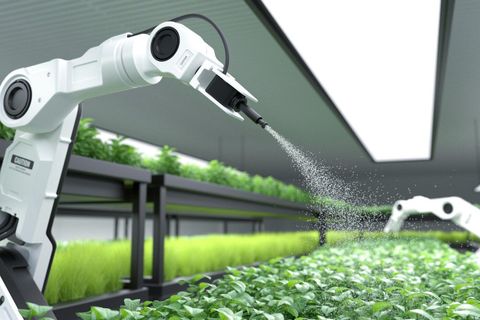
Digital automation systems with IoT monitoring
-
AI-based feed formulation integration
-
Improved moisture and temperature control systems
Sustainability remains a major trend. In 2025, alternative protein sources such as insect meal and algae-based ingredients gained wider adoption in aquafeed formulations. Extruders are being optimized to handle these novel ingredients without compromising pellet stability.
Another key trend is precision aquaculture. Modern feed plants now integrate:
-
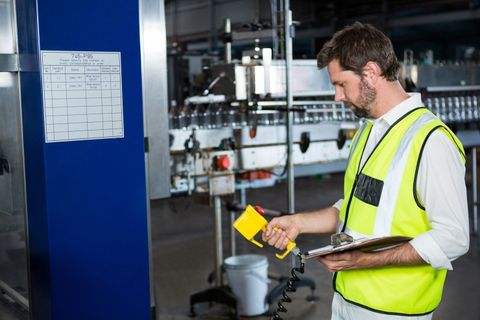
Real-time moisture analyzers
-
Smart pellet density control
-
Automated feed coating systems
These advancements improve consistency and traceability in aquaculture feed production.
Regulations and Policy Influence
Fish feed extruders operate within regulatory frameworks that ensure feed safety, quality, and environmental protection.
In many countries, aquafeed production must comply with:
-
Food safety standards
-
Feed hygiene regulations
-
Environmental discharge norms
-
Quality certification systems
For example:
-
The European Union enforces feed safety under Regulation (EC) No 183/2005.
-
The United States follows FDA feed safety guidelines.
-
India regulates feed manufacturing under FSSAI and related agricultural standards.
Governments increasingly promote sustainable aquaculture through:
-
Incentive programs for modern feed mills
-
Energy-efficiency standards
-
Environmental compliance audits
Feed processing equipment must meet safety and quality benchmarks, including proper temperature control to eliminate pathogens during extrusion cooking.
Types of Fish Feed Extruders
Fish feed extruders are generally classified into two main types:
| Type | Characteristics | Common Application |
|---|---|---|
| Single-Screw Extruder | Simple design, lower output | Small to medium feed plants |
| Twin-Screw Extruder | Advanced mixing, higher efficiency | Large-scale commercial production |
Twin-screw systems offer better ingredient mixing, especially when using alternative proteins or high-fat formulations.
How the Extrusion Process Works
The fish feed extrusion process typically includes:
-
Grinding raw materials
-
Mixing ingredients
-
Conditioning with steam
-
Extrusion under high pressure
-
Pellet shaping through die
-
Drying and cooling
-
Oil coating
Below is a simplified process flow representation:
Raw Materials → Grinding → Mixing → Conditioning → Extrusion → Drying → Cooling → Packaging
Extrusion cooking gelatinizes starch, improving pellet durability and digestibility. By adjusting die size and moisture content, manufacturers can produce floating or sinking feed pellets.
Tools and Resources for Feed Manufacturers
Several digital and technical tools support aquaculture feed production:
Feed Formulation Software
-
Linear programming tools
-
Nutritional balancing calculators
-
Protein-energy ratio estimators
Process Monitoring Systems
-
IoT-based temperature sensors
-
Moisture control systems
-
Digital PLC automation panels
Quality Control Tools
-
Pellet durability index testers
-
Water stability test equipment
-
Laboratory nutrient analysis kits
Industry Resources
-
FAO Aquaculture Knowledge Hub
-
National aquaculture development boards
-
Feed safety compliance manuals
-
Sustainability certification frameworks
These tools improve traceability, compliance, and operational efficiency in feed manufacturing technology.
Environmental and Sustainability Considerations
Modern fish feed extruders contribute to environmental sustainability by:
-
Reducing feed waste in water
-
Improving nutrient retention
-
Lowering carbon footprint through energy-efficient motors
-
Supporting alternative protein inclusion
In 2026, many aquafeed producers are aligning with global sustainability standards, including reduced fishmeal dependency and increased plant-based formulations. Extrusion systems allow better adaptation to these evolving formulations.
Frequently Asked Questions
What is the main purpose of a fish feed extruder?
A fish feed extruder processes raw feed ingredients into uniform pellets using heat and pressure. It improves digestibility, pellet durability, and feed efficiency.
What is the difference between floating and sinking feed?
Floating feed remains on the water surface due to lower density created during extrusion, while sinking feed has higher density and submerges. The density is controlled through moisture and pressure adjustments.
Why is extrusion cooking important in aquaculture feed production?
Extrusion cooking gelatinizes starch and reduces harmful microorganisms. This improves feed stability and nutrient absorption.
Are twin-screw extruders better than single-screw models?
Twin-screw extruders provide better mixing, higher efficiency, and more flexibility in ingredient use. They are commonly used in large commercial feed plants.
How do regulations affect feed manufacturing?
Regulations ensure feed safety, environmental protection, and quality standards. Manufacturers must comply with hygiene, labeling, and nutrient composition requirements.
Comparison of Key Performance Factors
| Factor | Traditional Pellet Mill | Extrusion System |
|---|---|---|
| Pellet Buoyancy Control | Limited | High |
| Nutrient Stability | Moderate | High |
| Energy Efficiency | Moderate | Improved in modern systems |
| Ingredient Flexibility | Limited | Advanced |
This comparison highlights why extrusion systems are increasingly preferred in commercial aquaculture feed production.
Conclusion
Fish feed extruders are essential components of modern aquaculture feed production. They improve pellet quality, enhance nutrient digestibility, and support sustainable aquaculture practices.
Recent technological innovations in 2025–2026 emphasize energy efficiency, automation, and alternative protein compatibility. At the same time, regulatory frameworks continue to shape feed safety and environmental standards across global markets.
With the integration of digital monitoring tools, advanced feed formulation software, and compliance systems, extrusion technology remains central to high-quality aquafeed manufacturing.
As aquaculture continues to expand worldwide, fish feed extruders will remain a critical technology supporting food security, environmental sustainability, and efficient fish farming operations.