Can Seaming Machines Guide: Industrial Equipment Insights & Compliance
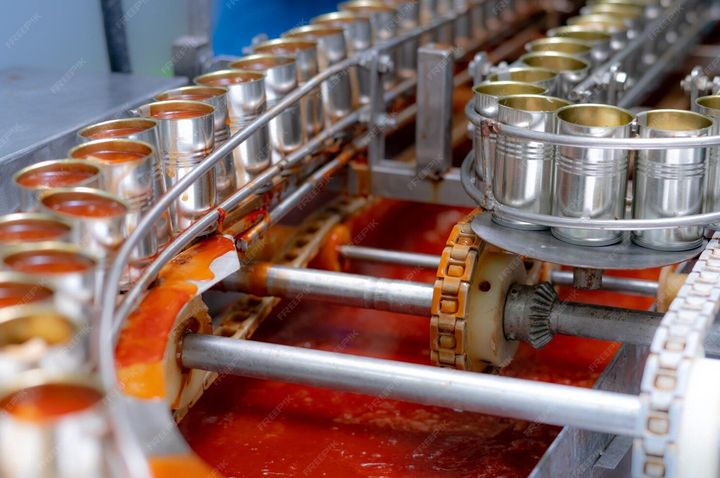
Can seaming machines are specialized industrial equipment used to hermetically seal lids onto metal cans. These machines are widely used in food processing, beverage production, pharmaceuticals, and chemical packaging. Their primary function is to create an airtight double seam that protects the contents inside the can from contamination, leakage, and spoilage.
Canning technology has existed for over a century, originally developed to preserve food for long-term storage. As global supply chains expanded and consumer demand increased, packaging systems evolved into automated, high-speed production lines. Today, industrial equipment such as rotary seamers and inline seamers form the backbone of modern packaging operations.
The reason these machines exist is simple: product safety and shelf stability. Without proper sealing technology, canned goods could be exposed to air, bacteria, or physical damage during transport. The double seam process ensures structural integrity while maintaining quality standards.
Importance of Can Seaming Machines in Today’s Industry
Can seaming machines play a critical role in manufacturing efficiency and regulatory compliance. They affect multiple sectors including:
-
Food and beverage processing
-
Nutritional supplements
-
Aerosol packaging
-
Pet food manufacturing
-
Chemical storage solutions
In high-volume industries, production lines may run at speeds exceeding hundreds of cans per minute. Precision engineering ensures consistent seam thickness, tightness, and overlap. Improper sealing can lead to:
-
Product contamination
-
Reduced shelf life
-
Recalls and compliance violations
-
Financial losses
-
Brand reputation damage
From an operational perspective, automation systems integrated with industrial equipment improve output while reducing manual handling. Modern seamers often include programmable logic controllers (PLC), digital monitoring dashboards, and quality inspection sensors.
The table below summarizes why sealing technology is considered essential in regulated industries:
| Factor | Impact on Industry |
|---|---|
| Hermetic sealing | Prevents contamination |
| Automated inspection | Reduces defect rates |
| Compliance alignment | Meets food safety laws |
| Production efficiency | Supports high-speed output |
| Waste reduction | Improves sustainability goals |
As global markets demand safer packaging and longer shelf stability, reliable industrial equipment continues to be a strategic necessity.
Recent Updates and Industry Trends (2025)
In 2025, packaging automation trends have focused on sustainability, digital integration, and energy efficiency. Several developments over the past year include:
Smart Monitoring Systems (2025): Manufacturers are integrating IoT-based sensors that track seam integrity in real time. These systems alert operators to deviations before defects multiply.
Energy-Efficient Motors (2025): New servo-driven can seamers reduce energy consumption compared to older mechanical systems.
Sustainable Packaging Shift (2024–2025): With increased global emphasis on recyclable materials, aluminum can production has grown. This trend has influenced demand for high-precision industrial equipment capable of handling lightweight materials.
AI-Based Quality Control (Late 2024): Vision inspection systems powered by machine learning now detect seam defects more accurately than manual checks.
Laws and Regulatory Policies Affecting Can Seaming Machines
Industrial equipment used in packaging must comply with national and international standards. Regulatory frameworks differ by country but generally include food safety and mechanical safety guidelines.
In the United States, packaging machinery in food production environments must align with:
-
FDA Food Safety Modernization Act (FSMA)
-
Good Manufacturing Practices (GMP)
-
OSHA machinery safety standards
In the European Union:
-
CE Marking requirements
-
Machinery Directive regulations
-
EU food hygiene regulations
In India:
-
FSSAI packaging and labeling regulations
-
Bureau of Indian Standards (BIS) guidelines
-
Factory safety compliance under labor laws
These regulations ensure:
-
Sanitary design of contact surfaces
-
Proper maintenance documentation
-
Worker safety protection
-
Accurate quality testing procedures
Failure to comply may result in production shutdowns, inspections, or penalties. Therefore, modern industrial equipment is often designed with compliance considerations built into its structure and documentation systems.
Tools and Resources for Understanding Can Seaming Machines
Professionals, engineers, and students can explore various tools and educational resources related to sealing technology and industrial automation.
Helpful resources include:
-
CAD software for equipment design simulation
-
PLC programming platforms for automation training
-
Digital seam inspection analyzers
-
Packaging industry research reports
-
Manufacturing compliance checklists
-
Industrial safety training modules
Online learning platforms provide technical courses in mechanical engineering, automation systems, and packaging technology. Industry associations also publish whitepapers and performance guidelines.
A simple comparison table of technical tools is shown below:
| Tool Type | Purpose |
|---|---|
| Seam Thickness Gauge | Measures seam integrity |
| Vision Inspection System | Detects defects automatically |
| PLC Software | Controls automation logic |
| Maintenance Log Template | Tracks equipment servicing |
| Compliance Checklist | Ensures regulatory alignment |
These resources support continuous learning and operational improvement.
Frequently Asked Questions
What is a double seam in can sealing?
A double seam is a mechanical interlocking process where the can body and lid are folded together in two operations to create an airtight seal.
How often should seam integrity be inspected?
Inspection frequency depends on production volume and regulatory standards, but many facilities perform routine checks multiple times per shift.
Are can seaming machines fully automated?
Many modern systems are automated and integrated into high-speed production lines, though semi-automatic versions also exist for smaller operations.
What industries use can seaming machines?
Food processing, beverage manufacturing, pharmaceuticals, aerosol packaging, and chemical industries commonly rely on this industrial equipment.
How do regulations influence machine design?
Regulations require sanitary construction, worker safety features, and documented quality control processes, shaping how machines are engineered.
Conclusion
Can seaming machines remain essential industrial equipment in modern packaging systems. Their role extends beyond simple lid attachment; they ensure product safety, regulatory compliance, and operational efficiency.
Recent advancements in automation, energy efficiency, and digital monitoring have transformed traditional sealing technology into a data-driven process. Regulatory frameworks across regions continue to shape equipment standards, emphasizing hygiene, safety, and documentation.
As industries prioritize sustainability and precision engineering, understanding the function and importance of can seaming machines supports better decision-making in manufacturing environments. With proper maintenance, compliance alignment, and technological integration, this equipment continues to serve as a foundational element in global packaging operations.