Oil Extraction Equipment Overview: Modern Machines Used in Vegetable Oil Processing
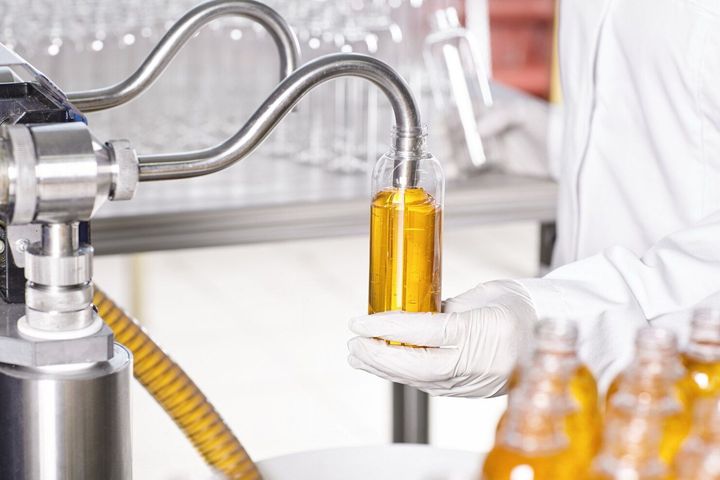
Oil extraction equipment refers to machines and systems designed to separate oil from seeds, nuts, or plant materials. These machines are widely used in agricultural processing industries to produce edible oils, biofuels, and industrial oils.
Common raw materials processed using oil extraction systems include:
-
Soybeans
-
Sunflower seeds
-
Mustard seeds
-
Groundnuts
-
Palm kernels
-
Cottonseeds
The extraction process involves applying mechanical pressure or using controlled chemical processes to release oil from plant materials. Modern oil extraction equipment includes multiple integrated components such as seed cleaners, crushers, oil presses, solvent extractors, filtration systems, and storage units.
Over time, technological improvements have made oil extraction systems more efficient, enabling higher oil recovery rates and improved product quality.
Why Oil Extraction Equipment Is Important Today
Oil extraction technology plays a significant role in the global agricultural and food processing ecosystem. Edible oils are essential ingredients used in cooking, food manufacturing, cosmetics, and industrial applications.
Several factors make oil extraction equipment important in today’s economy:
-
Rising global demand for edible oils
-
Growth of food processing industries
-
Increasing interest in plant-based products
-
Expansion of renewable biofuel production
According to global agriculture research data, vegetable oil consumption has steadily increased over the last decade. Countries with large agricultural sectors rely heavily on efficient extraction equipment to process oilseed crops quickly and maintain supply chains.
Oil extraction equipment also helps address several industry challenges:
-
Reducing waste during processing
-
Improving oil recovery efficiency
-
Maintaining consistent oil quality
-
Supporting large-scale food production
Modern systems are designed to process large quantities of seeds while minimizing energy consumption and improving operational efficiency.
Types of Oil Extraction Equipment
Different machines are used depending on the type of oilseed and the scale of processing operations.
| Equipment Type | Main Function | Typical Use |
|---|---|---|
| Seed Cleaner | Removes dust and impurities | Pre-processing stage |
| Oil Expeller Press | Extracts oil using mechanical pressure | Small to medium operations |
| Screw Press Machine | Continuous oil extraction | Industrial processing |
| Solvent Extraction System | Extracts remaining oil using solvent | Large-scale production |
| Oil Filter Press | Removes particles and residues | Oil purification |
| Oil Refining Unit | Improves oil quality and stability | Food-grade production |
Each system performs a specific role in the oil extraction process. In many industrial plants, these machines operate together in an integrated production line.
Basic Oil Extraction Process
The oil extraction workflow usually follows several steps to ensure efficient processing and product quality.
• Seed Cleaning
Raw oilseeds are cleaned to remove stones, dust, and plant debris.
• Seed Preparation
Seeds are cracked or crushed to increase surface area for oil release.
• Conditioning
Heat or moisture treatment helps soften the seed structure.
• Oil Extraction
Mechanical presses or solvent systems extract oil from the prepared material.
• Filtration and Refining
The extracted oil is filtered and sometimes refined to remove impurities.
Below is a simplified process flow:
| Stage | Purpose |
|---|---|
| Cleaning | Remove contaminants |
| Crushing | Prepare seeds for extraction |
| Extraction | Separate oil from solids |
| Filtration | Improve oil clarity |
| Refining | Stabilize and purify oil |
This structured approach ensures efficient production and consistent oil quality.
Recent Updates and Industry Trends (2025–2026)
The oil extraction equipment industry has seen several technological and operational developments in the past year.
Automation and Smart Monitoring
In 2025, many industrial oil processing plants began integrating smart monitoring systems into extraction equipment. These systems track temperature, pressure, and oil output in real time.
Benefits include:
-
Improved operational efficiency
-
Reduced equipment downtime
-
Data-driven production management
Energy-Efficient Machinery
Manufacturers introduced improved screw press designs during late 2025, focusing on lower energy consumption and reduced mechanical wear.
Sustainable Processing
Environmental sustainability has become a key priority. Modern extraction systems are designed to:
-
Reduce solvent emissions
-
Improve energy recovery
-
Minimize processing waste
Biofuel Production Expansion
Several countries expanded biodiesel programs in 2024–2025, increasing demand for oilseed processing equipment used to extract oils from crops such as soybeans and rapeseed.
These developments highlight how technological innovation continues to shape the oil extraction equipment sector.
Regulations and Policies Affecting Oil Extraction
Oil processing industries must follow safety, environmental, and food quality regulations. These policies vary by country but generally address similar concerns.
In India, oil extraction operations are influenced by regulatory frameworks such as:
-
Food safety standards for edible oils
-
Industrial safety regulations
-
Environmental pollution control rules
Key policy areas include:
Food Quality Standards
Edible oil production must comply with food safety guidelines that regulate purity levels, contamination limits, and labeling standards.
Environmental Compliance
Industrial plants using solvent extraction must follow environmental regulations related to emissions and chemical handling.
Agricultural Support Programs
Some government initiatives support oilseed production to strengthen domestic supply chains. These programs can indirectly influence the demand for oil extraction equipment.
Regulatory oversight helps maintain safety, environmental protection, and product quality across the industry.
Tools and Resources for Understanding Oil Extraction Technology
Several digital tools and knowledge platforms can help individuals learn more about oil extraction equipment and related processes.
Useful resources include:
• Engineering simulation software
Used to analyze mechanical systems and optimize machine performance.
• Agricultural research databases
Provide research papers and industry studies on oilseed processing technologies.
• Industrial equipment design platforms
Help engineers model extraction systems and production lines.
• Production efficiency calculators
Allow operators to estimate oil yield and processing efficiency.
• Process flow templates
Useful for mapping industrial production stages.
Below is an example of production efficiency factors.
| Factor | Impact on Oil Yield |
|---|---|
| Seed moisture level | High moisture reduces extraction efficiency |
| Machine pressure | Higher pressure improves oil recovery |
| Seed preparation quality | Better crushing increases yield |
| Processing temperature | Controlled heat improves oil flow |
These resources support technical learning and operational understanding.
Common Questions About Oil Extraction Equipment
What is the most common type of oil extraction machine?
The screw press or oil expeller is widely used because it extracts oil mechanically without chemical solvents and works with many types of oilseeds.
How does solvent extraction differ from mechanical pressing?
Mechanical pressing uses physical pressure to release oil, while solvent extraction uses a chemical solvent to dissolve oil from crushed seeds. Industrial facilities often combine both methods for higher efficiency.
What industries use oil extraction equipment?
Oil extraction equipment is used in several sectors, including:
-
Food processing
-
Agricultural product processing
-
Biofuel production
-
Cosmetic manufacturing
-
Industrial lubricants production
Can oil extraction equipment process multiple seed types?
Yes. Many modern machines can process different oilseeds such as sunflower, soybean, mustard, and groundnut with adjustments to pressure, temperature, and processing parameters.
What factors influence oil extraction efficiency?
Efficiency depends on several variables:
-
Seed quality and moisture content
-
Machine pressure and speed
-
Pre-processing preparation
-
Temperature control during extraction
Optimizing these factors can significantly improve oil recovery rates.
Conclusion
Oil extraction equipment is an essential component of modern agricultural and food processing industries. These machines enable the efficient separation of oil from seeds and plant materials, supporting global production of edible oils, biofuels, and industrial products.
Advancements in automation, energy efficiency, and sustainable processing have improved how oil extraction systems operate today. As demand for vegetable oils and renewable energy sources continues to grow, the importance of reliable extraction technology will likely increase.
Understanding the basic components, processes, and trends associated with oil extraction equipment helps industry professionals, researchers, and learners gain a clearer perspective on this important field within agricultural engineering and industrial processing.