3D Printed Medical Implants Overview: Understanding Personalized Healthcare Technology
Medical technology has advanced rapidly in recent decades, and one of the most transformative developments is the use of 3D printing in healthcare. This approach allows doctors and engineers to create custom implants that match a patient’s unique anatomy. These implants can replace or support damaged bones, joints, or tissues.
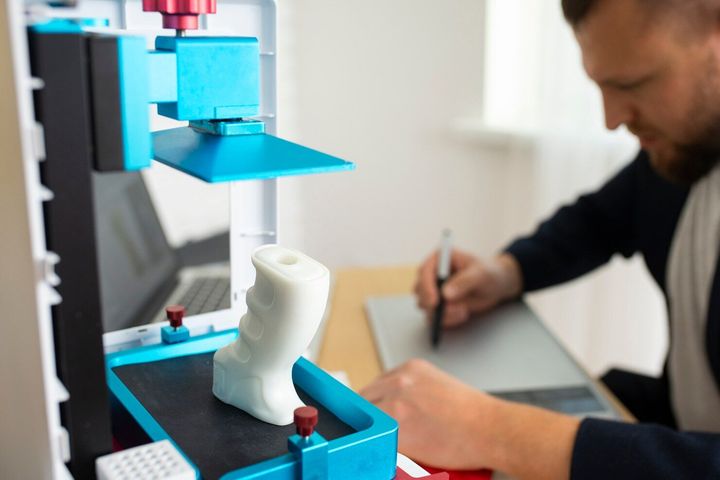
3D printed medical implants are created using additive manufacturing technology, where material is layered gradually to form complex shapes. Unlike traditional manufacturing, which removes material from a solid block, additive manufacturing builds an object layer by layer using digital models.
This technology exists because every human body is different. Standard implants sometimes require adjustments during surgery. With 3D printing, surgeons can design implants based on patient imaging data such as CT scans or MRI scans, making procedures more precise.
These implants are commonly used in areas such as:
-
Orthopedic implants
-
Dental implants
-
Cranial reconstruction implants
-
Spinal implants
-
Joint replacement devices
The goal of this technology is to improve surgical outcomes, enhance patient recovery, and support the development of personalized medicine.
Why 3D Printed Medical Implants Matter Today
Modern healthcare systems increasingly focus on precision medicine and personalized treatment approaches. 3D printed implants play an important role in achieving this goal.
Traditional implants are produced in standard sizes. Surgeons must adjust them during surgery to fit the patient’s anatomy. In contrast, 3D printed implants are designed directly from medical imaging data, which allows them to match the exact shape and dimensions required.
This technology affects several groups:
-
Patients requiring reconstructive surgery
-
Surgeons performing complex procedures
-
Biomedical engineers designing implant structures
-
Hospitals adopting digital healthcare technologies
The benefits often associated with these implants include:
-
Better anatomical fit
-
Reduced surgical adjustment
-
Improved structural compatibility
-
Support for complex reconstructive procedures
Another key advantage is the ability to design implants with porous structures. These microscopic structures can help encourage bone growth and improve long-term stability.
Below is a simple comparison between traditional implants and 3D printed implants.
| Feature | Traditional Implants | 3D Printed Implants |
|---|---|---|
| Design Approach | Standardized sizes | Patient-specific design |
| Manufacturing | Subtractive methods | Additive manufacturing |
| Surgical Adjustment | Often required | Usually minimal |
| Complex Geometry | Limited | Highly flexible |
| Personalization | Low | High |
As healthcare systems adopt digital medical technologies, 3D printed implants are becoming an increasingly important part of surgical planning and biomedical innovation.
Recent Updates and Trends in 3D Printed Medical Implants
Over the past year, several developments have highlighted the growing importance of this technology.
One key trend is the expansion of biocompatible materials used in implant manufacturing. Materials such as titanium alloys, medical-grade polymers, and bioresorbable materials are being studied and used more frequently.
In 2024, multiple research institutions reported advancements in bioactive implant surfaces, which can help promote bone integration. These surfaces are designed using microstructures that support biological interaction between the implant and surrounding tissue.
Another major trend involves the use of artificial intelligence in implant design. AI tools can analyze patient scans and help generate optimized implant models. This reduces the time needed for design and improves accuracy.
Hospitals are also adopting point-of-care manufacturing, where certain implants can be produced closer to the hospital environment. While still regulated, this trend highlights the growing role of digital manufacturing in healthcare.
Recent developments include:
-
Expanded use of titanium 3D printed implants in orthopedic procedures (2024 research updates)
-
Increasing use of patient-specific cranial implants in reconstructive surgery
-
Improved surgical planning software integrating imaging and implant design
-
Growing collaboration between hospitals and biomedical engineering labs
The combination of medical imaging, digital modeling, and additive manufacturing continues to shape the future of implant development.
Regulations and Policies Affecting 3D Printed Medical Implants
Medical implants must follow strict regulatory standards to ensure safety and reliability. Governments and health authorities regulate these devices because they directly affect patient health.
In many countries, 3D printed implants fall under the category of medical devices, which require approval before clinical use.
Regulatory frameworks often focus on:
-
Biocompatibility testing
-
Mechanical strength validation
-
Sterilization standards
-
Manufacturing quality control
-
Patient safety evaluation
For example, regulatory authorities such as the U.S. FDA released updated guidance for additive manufacturing medical devices. These guidelines outline requirements for design validation, material control, and post-processing.
In Europe, 3D printed implants must follow the Medical Device Regulation (MDR) framework. This regulation requires manufacturers to demonstrate product safety and maintain documentation throughout the product lifecycle.
Countries like India also regulate implants through national medical device rules to ensure quality and patient safety.
Key regulatory considerations include:
-
Implant traceability
-
Standardized manufacturing protocols
-
Documentation for clinical evaluation
-
Monitoring after medical device approval
These policies help ensure that the rapid growth of additive manufacturing in healthcare continues while maintaining strong safety standards.
Tools and Resources Related to 3D Printed Medical Implants
A variety of digital tools and resources support the development of 3D printed medical implants. These tools help convert medical imaging data into implant designs that can be manufactured using specialized equipment.
Common categories of tools include:
Medical Imaging Software
-
Converts CT or MRI data into digital anatomical models
-
Helps surgeons visualize patient anatomy before surgery
3D Modeling Platforms
-
Used to design custom implant structures
-
Allows engineers to modify implant geometry and surfaces
Additive Manufacturing Systems
-
Industrial medical 3D printers used for implant production
-
Supports materials such as titanium or specialized polymers
Simulation and Testing Tools
-
Evaluates implant strength and durability
-
Simulates mechanical stress and biological interaction
Educational and Research Resources
-
Medical technology journals
-
Biomedical engineering databases
-
Clinical research publications
These resources help researchers, engineers, and medical professionals collaborate in developing safer and more effective implant solutions.
Below is a simplified workflow illustrating the implant development process.
| Step | Description |
|---|---|
| Medical Imaging | CT or MRI scans capture patient anatomy |
| Digital Modeling | Software converts scans into 3D models |
| Implant Design | Engineers create customized implant geometry |
| Simulation Testing | Mechanical and structural analysis performed |
| Additive Manufacturing | Implant produced using 3D printing |
| Surgical Implementation | Implant used in medical procedure |
This workflow shows how digital healthcare technologies integrate to produce patient-specific solutions.
Frequently Asked Questions
What are 3D printed medical implants?
3D printed medical implants are devices created using additive manufacturing technology. They are designed from digital models and can be customized to match the anatomy of individual patients.
What materials are commonly used in these implants?
Common materials include titanium alloys, medical-grade polymers, and certain bioresorbable materials. These materials are chosen for their strength, durability, and compatibility with human tissue.
How do surgeons design personalized implants?
Doctors use imaging technologies such as CT scans or MRI scans to create digital models of the patient’s anatomy. Engineers then design implants based on these models before manufacturing them using 3D printing.
Are 3D printed implants regulated?
Yes. Medical device authorities regulate these implants to ensure safety, quality, and reliability. Manufacturers must follow strict standards before implants can be used in medical procedures.
What medical fields use 3D printed implants most often?
They are commonly used in orthopedic surgery, dental reconstruction, cranial surgery, spinal procedures, and joint replacement treatments.
Conclusion
3D printed medical implants represent an important development in modern healthcare technology. By combining medical imaging, digital modeling, and additive manufacturing, this approach allows healthcare professionals to design implants that closely match a patient’s anatomy.
The increasing use of personalized medical solutions, improvements in materials, and advancements in digital healthcare systems are driving the growth of this technology. At the same time, regulatory frameworks and medical device standards help ensure that implants remain safe and reliable for patients.
As research continues and new tools become available, 3D printed implants may play an even larger role in surgical planning, biomedical innovation, and personalized medicine. This technology illustrates how engineering and healthcare can work together to support more precise and patient-centered medical treatments.