Solar-Powered Vehicles Overview: How Sunlight Drives the Future of Transportation
Solar-powered vehicles are transportation systems that use sunlight as a primary or supportive energy source. These vehicles typically use solar panels mounted on their surfaces to capture sunlight and convert it into electricity through photovoltaic technology. The generated electricity is then stored in batteries or used directly to power electric motors.
The concept of solar mobility emerged from the growing need for sustainable transportation solutions. Traditional transportation depends heavily on fossil fuels, which contribute to air pollution and greenhouse gas emissions. Solar-powered vehicles aim to reduce environmental impact by using renewable energy.
Solar technology has improved significantly over the past decade. Modern photovoltaic panels are lighter, more efficient, and capable of producing electricity even in moderate sunlight conditions. Because of these advancements, solar-powered mobility is becoming an increasingly discussed topic in energy and transportation research.
Solar-powered vehicles exist in several forms:
-
Solar electric cars
-
Solar-assisted buses
-
Solar-powered boats
-
Experimental solar aircraft
-
Hybrid vehicles that combine solar charging with battery systems
Most solar vehicles today use a hybrid approach, where solar panels support the battery rather than fully power the vehicle.
Why Solar-Powered Vehicles Matter Today
Transportation is one of the largest sources of carbon emissions worldwide. According to global energy reports, the transportation sector contributes roughly 20–25% of global greenhouse gas emissions. Reducing these emissions is essential for environmental sustainability.
Solar-powered vehicles matter because they combine two major technological fields:
-
Renewable energy
-
Electric mobility
This combination helps address several challenges faced by modern transportation systems.
Key benefits of solar-powered mobility include:
• Reduced dependence on fossil fuels
• Lower carbon emissions
• Potential reduction in electricity demand from charging stations
• Increased energy independence for drivers
• Support for sustainable urban transportation
Solar vehicles are particularly important in regions with strong sunlight availability, including countries like India, Australia, the United States, and several nations in the Middle East.
They also support broader clean energy goals such as:
-
Net-zero emissions strategies
-
Renewable energy integration
-
Sustainable transportation infrastructure
As electric vehicles become more common, solar technology offers an additional method to extend driving range and reduce reliance on external charging.
Recent Developments and Trends in Solar Mobility
Solar vehicle technology has experienced notable progress in the past year, particularly between 2024 and early 2026. Research institutions, automotive companies, and clean energy organizations are exploring new designs and energy systems.
Several major trends have emerged.
Higher efficiency solar panels
Recent photovoltaic cells are reaching efficiency levels above 24–26%, allowing vehicles to generate more electricity from sunlight than earlier designs.
Solar-assisted electric vehicles
Many manufacturers are experimenting with solar panels integrated into car roofs or hoods. These panels help charge the battery during parking or while driving.
Global solar car competitions
Events such as international solar car races continue to drive innovation. Universities and engineering teams build solar-powered vehicles capable of traveling long distances using sunlight alone.
Urban solar transport projects
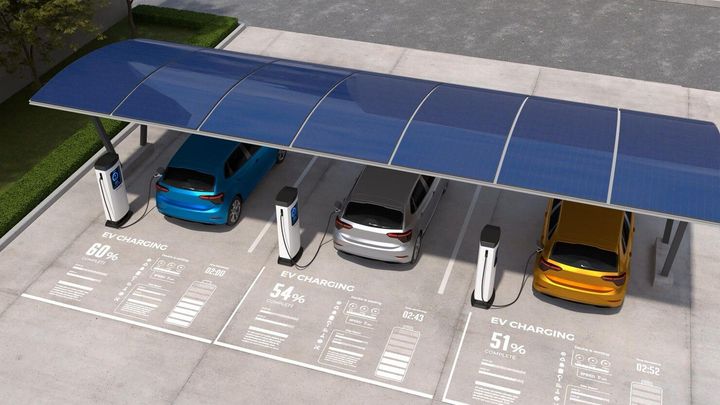
Cities are exploring solar-powered buses and charging stations. These systems combine solar energy generation with electric public transport infrastructure.
The following table illustrates a simplified comparison between conventional electric vehicles and solar-assisted vehicles.
| Feature | Conventional Electric Vehicle | Solar-Assisted Vehicle |
|---|---|---|
| Primary Energy Source | Battery charging stations | Battery + solar panels |
| Charging Method | Plug-in charging | Plug-in + solar charging |
| Energy Independence | Moderate | Higher potential |
| Carbon Impact | Lower than gasoline vehicles | Even lower with solar support |
Researchers are also studying solar-integrated charging networks, where parking structures and roads generate electricity through solar installations.
Policies and Government Programs Influencing Solar Vehicles
Solar-powered vehicles are influenced by policies related to renewable energy and electric transportation. Governments worldwide are developing regulations and incentive programs to encourage clean mobility.
Many countries have introduced policies supporting electric vehicles and renewable energy integration.
In India, transportation policies include initiatives that promote electric mobility and renewable energy adoption. Programs encourage research, manufacturing, and infrastructure development for electric vehicles and clean energy technologies.
Important policy areas affecting solar vehicles include:
-
Electric vehicle adoption programs
-
Renewable energy development policies
-
Emission reduction targets
-
Transportation electrification strategies
Governments are also investing in:
• solar charging infrastructure
• electric mobility research
• battery technology development
• smart transportation systems
International climate agreements and sustainability goals are also shaping transportation policy. Many countries aim to reduce transportation emissions significantly by 2030 and 2050, which increases interest in solar-assisted mobility solutions.
Although solar-powered vehicles are still developing, policy support for renewable energy and electric mobility helps accelerate innovation in this field.
Tools and Resources for Learning About Solar Vehicle Technology
Many digital tools and online platforms help people understand solar-powered transportation systems and renewable energy technology.
Researchers, students, engineers, and general readers often use these resources to explore solar mobility.
Useful tools include:
Solar energy calculators
These tools estimate how much electricity solar panels can produce based on location, sunlight hours, and panel efficiency.
Renewable energy simulation software
Simulation platforms allow users to model solar systems, battery storage, and energy generation.
Electric vehicle energy calculators
These calculators estimate vehicle energy consumption and battery performance.
Research databases
Academic platforms provide studies related to solar mobility, battery systems, and photovoltaic innovation.
Helpful resources often include:
-
Renewable energy knowledge portals
-
Electric mobility research databases
-
Energy consumption calculators
-
Sustainability reporting platforms
-
Transportation technology publications
The following example table shows how solar energy may support vehicle charging.
| Condition | Solar Energy Contribution |
|---|---|
| Sunny climate | High potential energy generation |
| Urban parking with solar roofs | Moderate energy contribution |
| Cloudy regions | Lower solar energy generation |
| Hybrid solar EV system | Solar supports battery charging |
These tools help people understand how solar vehicles could operate in real-world environments.
Frequently Asked Questions
What is a solar-powered vehicle?
A solar-powered vehicle is a transportation system that uses solar panels to convert sunlight into electricity. The electricity powers an electric motor or supports a battery system.
Can solar vehicles run entirely on sunlight?
Some experimental vehicles can operate primarily on sunlight. However, most modern designs use a hybrid approach where solar panels assist battery charging rather than fully powering the vehicle.
How efficient are solar panels on vehicles?
Solar panel efficiency varies depending on technology and environmental conditions. Modern photovoltaic panels used in transportation research can reach efficiencies above 20 percent.
Are solar-powered cars widely available?
Solar-powered cars are still emerging in the automotive industry. Most current models focus on solar-assisted charging rather than complete solar propulsion.
Do solar vehicles reduce environmental impact?
Yes. Solar-powered vehicles can reduce greenhouse gas emissions and dependence on fossil fuels, especially when solar energy supports electric vehicle charging.
Conclusion
Solar-powered vehicles represent an important step in the evolution of sustainable transportation. By combining renewable energy technology with electric mobility, these systems offer a pathway toward cleaner and more energy-efficient transportation solutions.
Advances in photovoltaic technology, battery systems, and vehicle design are gradually improving the practicality of solar mobility. While fully solar-powered cars remain limited, solar-assisted electric vehicles are gaining attention from researchers and manufacturers.
Global interest in renewable energy and emission reduction goals continues to drive innovation in this area. Policies supporting electric vehicles, solar energy development, and sustainable transportation infrastructure also contribute to progress.
As solar technology becomes more efficient and affordable, solar-powered transportation may play a larger role in future mobility systems. Continued research, supportive policies, and technological innovation will determine how widely solar vehicles become integrated into everyday transportation.