Offshore Wind Farms Overview: Understanding Marine Renewable Energy Systems
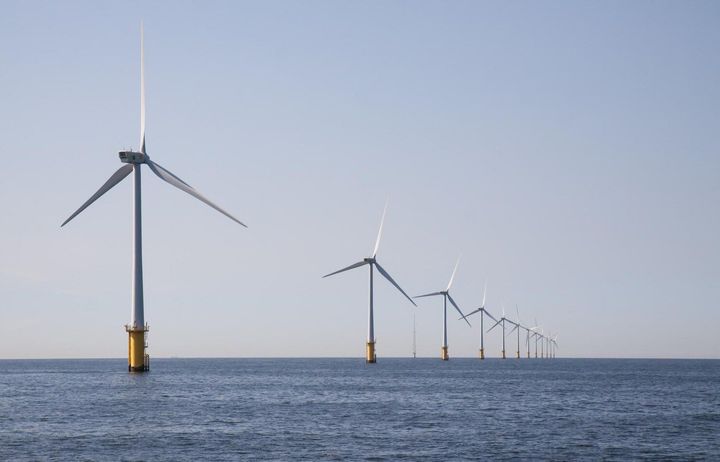
Offshore wind farms are large groups of wind turbines installed in ocean waters to generate electricity from wind energy. These turbines are typically located several kilometers away from the coastline where wind speeds are stronger and more consistent than on land.
The idea behind offshore wind power is simple: moving air spins the turbine blades, which rotate a generator to produce electricity. This electricity is then transmitted through underwater cables to substations on land, where it enters the power grid.
Countries began exploring offshore wind technology in the late 20th century as part of efforts to diversify energy sources and reduce reliance on fossil fuels. The first commercial offshore wind farm, known as Vindeby Offshore Wind Farm, was installed in Denmark in 1991.
Today, offshore wind farms are considered an important component of global renewable energy strategies because oceans provide large open spaces with high wind potential.
Why Offshore Wind Energy Matters Today
Offshore wind farms are becoming increasingly important in the global transition toward cleaner energy systems. Several factors explain their growing significance.
First, offshore wind projects can generate large amounts of electricity. Turbines placed in the ocean often reach higher capacity levels than land-based wind turbines because ocean winds are generally stronger and more stable.
Second, offshore installations reduce land-use conflicts. Large wind farms require significant space, and placing turbines offshore helps preserve land resources for agriculture, housing, and infrastructure.
Third, offshore wind energy contributes to climate goals. Many countries have committed to reducing greenhouse gas emissions in accordance with global agreements such as the Paris Climate Agreement.
Offshore wind farms help achieve these targets by replacing electricity that might otherwise come from coal or gas power plants.
The growth of offshore wind also affects several sectors:
-
Energy infrastructure development
-
Grid modernization
-
Marine engineering and ocean technology
-
Environmental research and coastal planning
These projects can also support energy security by reducing dependence on imported fuels.
Recent Offshore Wind Trends and Updates (2024–2025)
The offshore wind sector has experienced significant expansion in the past year, with new projects, technological improvements, and policy initiatives worldwide.
In 2024, global offshore wind capacity continued to grow, especially in regions such as Europe, Asia, and North America. Countries including China, United Kingdom, and Germany remained among the leading producers of offshore wind electricity.
One of the notable developments in 2025 is the expansion of floating wind turbine technology. Unlike traditional turbines that are fixed to the seabed, floating turbines are mounted on floating platforms anchored to the ocean floor. This technology allows wind farms to operate in deeper waters.
Large energy companies such as Ørsted and Equinor are actively investing in floating wind projects.
Another trend involves larger turbines. Modern offshore turbines can exceed 15 megawatts in capacity, significantly increasing electricity output per installation.
The following table shows a simplified comparison of turbine evolution:
| Turbine Generation | Approx Capacity | Typical Installation Period |
|---|---|---|
| Early offshore turbines | 2–3 MW | 2000–2010 |
| Mid-generation turbines | 6–8 MW | 2010–2020 |
| Modern large turbines | 12–15+ MW | 2020–2025 |
Global offshore wind capacity growth has also accelerated.
Global Offshore Wind Capacity Growth (Approximate)
| Year | Estimated Capacity |
|---|---|
| 2015 | ~12 GW |
| 2020 | ~35 GW |
| 2024 | ~75+ GW |
This rapid expansion reflects strong investment and technological improvements in the renewable energy sector.
Laws, Regulations, and Government Programs
Offshore wind farms are heavily influenced by national policies and environmental regulations. Governments often establish frameworks that define where turbines can be installed, how projects are approved, and how electricity connects to the grid.
For example, the European Union has developed strategies to increase offshore wind capacity significantly by 2030 as part of its broader climate initiatives.
In the United States, offshore wind development is regulated by federal agencies such as the Bureau of Ocean Energy Management, which manages leasing areas in federal waters.
In India, the government has introduced offshore wind energy policies through the Ministry of New and Renewable Energy. The country is exploring offshore wind potential along the coasts of states such as Gujarat and Tamil Nadu.
Policies typically address several factors:
-
Marine environmental protection
-
Grid connection infrastructure
-
Licensing and project approval processes
-
Marine spatial planning
Regulatory frameworks help balance renewable energy development with shipping routes, fishing zones, and marine ecosystems.
Useful Tools and Resources for Offshore Wind Research
Many online tools and platforms help researchers, students, and analysts explore offshore wind data and technical information.
Some commonly used resources include:
Data Platforms
-
International Renewable Energy Agency data portal
-
Global Wind Energy Council reports
-
International Energy Agency energy statistics
Mapping and Visualization Tools
-
Offshore wind resource maps
-
Marine spatial planning platforms
-
Wind speed simulation tools
Technical Resources
-
Turbine design research databases
-
Offshore engineering publications
-
Renewable energy policy libraries
These tools help users analyze wind resources, compare energy technologies, and understand project development processes.
Key Components of an Offshore Wind Farm
Understanding offshore wind farms becomes easier when looking at their main components.
| Component | Function |
|---|---|
| Wind Turbine | Converts wind energy into mechanical energy |
| Foundation or Floating Platform | Supports the turbine structure |
| Offshore Substation | Collects electricity from turbines |
| Subsea Cables | Transmit electricity to shore |
| Onshore Grid Connection | Distributes electricity to consumers |
Each component plays an essential role in the overall energy production system.
Frequently Asked Questions
What is the difference between onshore and offshore wind farms?
Onshore wind farms are built on land, while offshore wind farms are installed in ocean waters. Offshore turbines usually experience stronger winds and can produce higher energy output.
How deep can offshore wind turbines be installed?
Traditional fixed turbines are typically installed in water depths up to about 60 meters. Floating turbines allow installations in deeper waters exceeding 100 meters.
Do offshore wind farms affect marine ecosystems?
Environmental studies are usually conducted before project approval. Some research suggests turbine foundations can act as artificial reefs, though monitoring is still ongoing.
How long do offshore wind turbines operate?
Most turbines are designed to operate for about 20–30 years before requiring major upgrades or replacement.
Which countries lead offshore wind development?
Major producers include the United Kingdom, China, Germany, and Denmark, with many other countries expanding offshore wind capacity.
Conclusion
Offshore wind farms represent a significant advancement in renewable energy technology. By harnessing strong and consistent ocean winds, these installations provide a reliable source of electricity while supporting global climate objectives.
Over the past decade, improvements in turbine design, floating platforms, and grid infrastructure have accelerated offshore wind deployment worldwide. Governments, research organizations, and energy companies continue to invest in new projects to expand this energy source.
As technology evolves and policies develop, offshore wind farms are expected to play an increasingly important role in the future energy mix, contributing to sustainable electricity generation and long-term energy security.