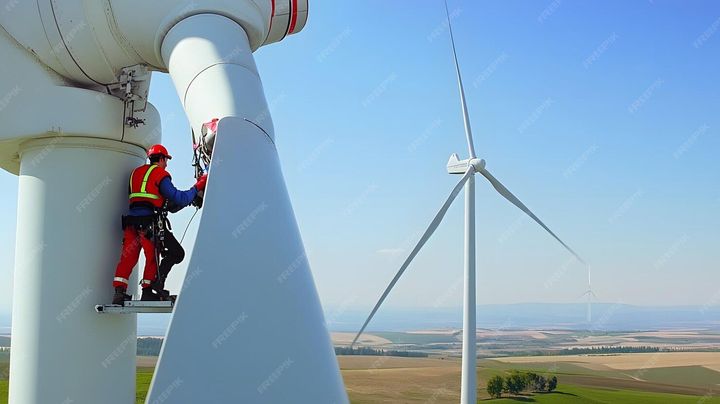
Wind Turbine Maintenance Overview for Renewable Energy Systems
Wind turbine maintenance refers to the inspection, monitoring, and technical upkeep of wind energy systems to ensure reliable electricity generation. Wind turbines convert kinetic wind energy into electrical power through mechanical and electrical components such as blades, gearboxes, generators, and control systems.
As global investment in renewable energy systems grows, maintaining wind turbines has become essential for ensuring long-term performance and grid stability. Both onshore and offshore wind farms depend on structured maintenance strategies to reduce downtime and optimize power output.
Modern wind turbines operate in demanding environmental conditions. They face mechanical stress, temperature variations, moisture exposure, and high wind loads. Maintenance practices exist to prevent equipment degradation, enhance operational safety, and support sustainable energy infrastructure.
Why Wind Turbine Maintenance Matters Today
Wind energy plays a significant role in global decarbonization strategies. According to the International Energy Agency, wind power continues to expand as countries aim to meet net-zero emission targets.
Proper wind turbine maintenance matters because it:
-
Ensures consistent power generation for national grids
-
Reduces unexpected mechanical failures
-
Improves energy efficiency performance
-
Extends turbine lifespan beyond 20–25 years
-
Supports compliance with energy safety regulations
This topic affects:
-
Renewable energy companies
-
Power grid operators
-
Environmental regulators
-
Engineering and infrastructure professionals
Without effective maintenance, turbines may experience blade erosion, gearbox damage, electrical faults, or sensor malfunction. These issues can reduce output and impact large-scale clean energy production.
Recent Updates and Trends in 2025–2026
The wind energy sector has experienced notable developments over the past year.
In 2025, predictive maintenance technologies expanded significantly across major wind markets such as the United States, Germany, India, and China. AI-driven monitoring systems now analyze vibration data, temperature readings, and performance metrics in real time.
Several large projects approved in late 2025 emphasize offshore wind farm expansion, particularly in Europe and Asia-Pacific regions. Offshore turbines require advanced corrosion monitoring and remote inspection technologies.
Key 2025–2026 trends include:
-
Increased adoption of AI-powered fault detection
-
Drone-based blade inspection systems
-
Digital twin simulations for performance modeling
-
Integration of IoT sensors for turbine health tracking
-
Expansion of high-capacity 15–20 MW offshore turbines
These innovations improve operational efficiency while supporting climate-focused renewable energy investments.
Laws, Policies, and Energy Regulations
Wind turbine maintenance is influenced by national and international energy policies. Regulatory compliance ensures environmental protection, worker safety, and grid reliability.
For example:
-
In India, renewable energy development is supported by the Ministry of New and Renewable Energy (MNRE).
-
In the European Union, wind projects must align with energy and environmental directives overseen by the European Commission.
-
In the United States, guidelines from the U.S. Department of Energy influence turbine performance standards and research funding.
Common regulatory requirements include:
-
Scheduled safety inspections
-
Environmental impact compliance
-
Grid integration standards
-
Worker safety certifications
-
Offshore marine ecosystem protections
Energy compliance frameworks also require performance data reporting and operational transparency.
Types of Wind Turbine Maintenance
Wind turbine maintenance strategies typically fall into three categories:
| Maintenance Type | Description | Key Benefit |
|---|---|---|
| Preventive Maintenance | Scheduled inspections and part replacement | Reduces unexpected breakdowns |
| Corrective Maintenance | Repairs after component failure | Restores turbine operation |
| Predictive Maintenance | Data-based monitoring to forecast issues | Minimizes downtime |
Predictive maintenance is increasingly popular due to advanced data analytics tools. It uses vibration analysis, oil particle monitoring, and SCADA (Supervisory Control and Data Acquisition) systems to detect early warning signs.
Key Components That Require Inspection
Wind turbine maintenance involves multiple critical systems:
-
Rotor blades (erosion, cracks, lightning damage)
-
Gearbox lubrication systems
-
Generator electrical integrity
-
Tower structural stability
-
Yaw and pitch control mechanisms
-
Brake systems and safety devices
Below is a simplified maintenance frequency reference:
| Component | Typical Inspection Frequency |
|---|---|
| Blades | 6–12 months |
| Gearbox | Annually |
| Electrical Systems | 6 months |
| Tower Structure | 1–2 years |
| Offshore Corrosion Check | Quarterly |
Inspection frequency may vary depending on location, climate, and turbine capacity.
Tools and Resources for Wind Turbine Maintenance
Modern wind farm operations rely on advanced tools and digital resources to monitor turbine health.
Helpful tools and platforms include:
-
SCADA monitoring software
-
Drone inspection systems
-
Vibration analysis sensors
-
Digital twin simulation platforms
-
Condition monitoring dashboards
Global renewable energy research resources:
-
National Renewable Energy Laboratory
-
Global Wind Energy Council
-
International Renewable Energy Agency
These organizations publish reports, performance benchmarks, and policy updates related to wind turbine operation and maintenance.
Wind Turbine Maintenance Cost Factors
While exact figures vary by region and turbine size, maintenance expenses are influenced by:
-
Turbine capacity (MW rating)
-
Onshore vs offshore location
-
Weather conditions
-
Spare parts availability
-
Remote monitoring integration
Offshore wind farms generally require more advanced inspection systems due to harsh marine environments.
FAQs About Wind Turbine Maintenance
How often should wind turbines be maintained?
Most turbines undergo scheduled preventive maintenance once or twice per year, with continuous monitoring through digital systems.
What is predictive maintenance in wind energy?
Predictive maintenance uses real-time sensor data and AI analysis to forecast equipment failures before they occur.
Why are offshore wind turbines harder to maintain?
Offshore turbines face saltwater corrosion, strong winds, and limited physical access, requiring specialized equipment.
How long do wind turbines last?
Most turbines are designed for 20–25 years, though proper maintenance can extend operational life.
What happens if maintenance is delayed?
Delayed maintenance may lead to reduced efficiency, component damage, and potential safety risks.
The Future of Wind Turbine Maintenance
Wind turbine maintenance continues to evolve alongside renewable energy innovation. The integration of artificial intelligence, robotics, and real-time monitoring systems supports more reliable power generation.
As countries expand renewable infrastructure to meet climate targets, maintaining turbine efficiency becomes a central priority. Strong regulatory frameworks, technological advancement, and skilled operational management all contribute to sustainable wind energy growth.
With predictive analytics and digital monitoring tools becoming standard practice, wind turbine maintenance is transforming from reactive repair to proactive performance optimization.
Wind energy remains one of the fastest-growing clean power sources globally, and effective maintenance ensures that this growth continues in a stable, environmentally responsible manner.