Wind Energy Turbines Overview and Renewable Energy Investment Guide
Wind energy turbines are mechanical devices that convert the kinetic energy of moving air into electrical power. They exist to harness a naturally occurring and renewable resource—wind—and transform it into usable electricity for homes, industries, and infrastructure.
The concept of wind power dates back centuries, when windmills were used to pump water and grind grain. Modern wind turbines, however, use advanced materials, aerodynamic blades, and digital control systems to generate large-scale electricity.
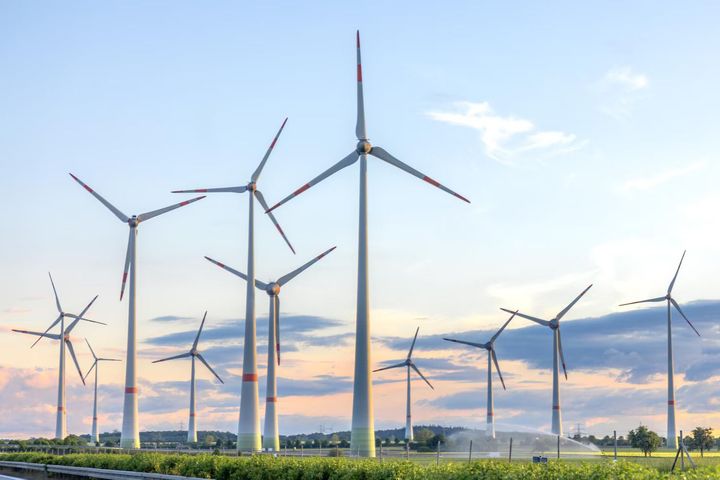
A typical wind turbine consists of:
-
Rotor blades that capture wind energy
-
A nacelle containing the generator and gearbox
-
A tower that elevates the rotor to stronger wind currents
-
Control systems for monitoring performance
Wind farms can be located on land (onshore) or in water bodies (offshore). Offshore wind projects are growing rapidly due to stronger and more consistent wind speeds at sea.
Wind turbines exist to address increasing electricity demand while reducing reliance on fossil fuels. They are part of a broader renewable energy investment strategy adopted by many countries to support long-term energy security.
Why Wind Energy Turbines Matter Today
Wind energy turbines play a significant role in modern power systems. They help reduce greenhouse gas emissions, diversify energy sources, and support climate goals.
This topic matters because:
-
Electricity demand is increasing worldwide
-
Climate change mitigation requires lower carbon emissions
-
Many countries aim for net-zero targets by 2050
-
Energy security has become a global concern
Wind energy affects:
-
Households that rely on grid electricity
-
Industries with high power consumption
-
Governments setting environmental targets
-
Investors focused on renewable energy investment
Wind turbines help solve several challenges:
-
Reducing dependence on imported fossil fuels
-
Lowering air pollution
-
Creating infrastructure for sustainable growth
-
Stabilizing long-term electricity supply
Wind energy also contributes to energy diversification. Instead of relying on a single source like coal or gas, power systems can combine wind, solar, hydro, and storage technologies.
The table below shows a simplified comparison of electricity generation sources:
| Energy Source | Carbon Emissions | Resource Type | Scalability |
|---|---|---|---|
| Coal | High | Non-renewable | High |
| Natural Gas | Medium | Non-renewable | High |
| Wind | Very Low | Renewable | High |
| Solar | Very Low | Renewable | High |
| Hydro | Low | Renewable | Medium |
Wind turbines contribute significantly to lowering overall grid emissions while supporting renewable energy investment goals.
Recent Updates and Trends (2025–2026)
Wind energy technology continues to evolve. Over the past year, several trends have shaped the industry.
In 2025, many countries expanded offshore wind auctions to increase clean power capacity. Turbine sizes have also grown, with some offshore models exceeding 15 MW per unit. Larger turbines improve efficiency by generating more electricity per installation.
Other notable trends include:
-
Hybrid wind and battery storage projects
-
Digital monitoring systems using AI-based predictive maintenance
-
Floating offshore wind platforms for deep-water areas
-
Improved blade materials for durability and recyclability
Grid integration has also improved. Modern turbines now use advanced inverters and smart grid technology to maintain frequency stability.
In late 2025, several countries updated their renewable energy targets, increasing wind capacity commitments for 2030 and 2040. These updates reflect global momentum toward renewable energy investment and decarbonization strategies.
The simplified growth trend of global wind capacity can be visualized as:
Year | Installed Capacity (GW, approx.)
2020 | 743
2022 | 837
2024 | 950
2025 | 1,020+
This steady growth indicates the expanding role of wind turbines in national power systems.
Laws, Regulations, and Government Programs
Wind energy turbines are heavily influenced by policies and regulations. Governments create frameworks to encourage renewable deployment while ensuring grid stability and environmental protection.
Key policy mechanisms include:
-
Renewable portfolio standards (RPS)
-
Feed-in tariffs
-
Competitive bidding and auctions
-
Tax incentives for renewable energy investment
-
Carbon pricing and emission trading systems
In India, wind energy development is supported by national renewable energy targets and state-level policies. The Ministry of New and Renewable Energy (MNRE) oversees regulatory frameworks and capacity expansion goals.
In the European Union, the Renewable Energy Directive sets binding targets for member states. Offshore wind development is also guided by maritime spatial planning laws.
In the United States, federal tax credits and state-level renewable standards continue to influence wind installations.
Environmental impact assessments are mandatory before wind farm construction. These assessments evaluate:
-
Wildlife impact
-
Noise levels
-
Land use considerations
-
Community engagement
Policy stability is critical for long-term renewable energy investment. Clear regulations reduce uncertainty for project developers and financial institutions.
Tools and Resources for Wind Energy Analysis
Several tools and digital platforms support wind energy planning, research, and evaluation.
Helpful tools and resources include:
-
Global Wind Atlas (wind speed mapping)
-
National Renewable Energy Laboratory (NREL) datasets
-
Energy Information Administration (EIA) statistics
-
International Renewable Energy Agency (IRENA) reports
-
Wind power output calculators
Wind assessment tools typically estimate:
-
Average wind speed
-
Capacity factor
-
Annual energy production
-
Grid connection feasibility
Below is a simplified table showing wind speed classification:
| Wind Speed (m/s) | Suitability for Turbines |
|---|---|
| Below 4 | Low potential |
| 4–6 | Moderate potential |
| 6–8 | Good potential |
| Above 8 | High potential |
Energy modeling software is often used for grid integration studies. These tools simulate power output variability and storage requirements.
Educational resources such as engineering courses, research papers, and technical manuals provide additional knowledge for students and professionals.
Frequently Asked Questions
What is the average lifespan of a wind energy turbine?
Most modern wind turbines have a lifespan of 20–25 years. With proper maintenance and component upgrades, operational life can sometimes be extended.
How do wind turbines generate electricity?
Wind turns the rotor blades, which spin a shaft connected to a generator. The generator converts mechanical energy into electrical energy using electromagnetic principles.
Are wind turbines environmentally friendly?
Wind turbines produce electricity with very low operational carbon emissions. However, manufacturing, transportation, and installation do have environmental impacts. Overall, lifecycle emissions are significantly lower than fossil fuel sources.
Do wind turbines work without wind?
No, turbines require wind movement to generate power. However, grid systems combine wind with other energy sources and storage technologies to ensure stable electricity supply.
What is offshore wind energy?
Offshore wind refers to turbines installed in oceans or large lakes. These projects often benefit from stronger and more consistent wind speeds compared to onshore sites.
Wind Energy Turbines and Renewable Energy Investment Outlook
Wind energy turbines are central to the global transition toward sustainable electricity systems. They represent a mature and scalable renewable technology capable of supporting national climate commitments.
As electricity demand increases due to urbanization, digital infrastructure, and electric mobility, wind energy continues to expand as part of renewable energy investment strategies.
Key advantages include:
-
Low operational emissions
-
Scalable installation
-
Technological improvements
-
Integration with storage systems
Challenges remain, such as grid integration, land use planning, and supply chain constraints. However, ongoing research and supportive policies are addressing these issues.
Wind energy turbines demonstrate how engineering innovation and policy frameworks can work together to reshape power systems. As countries refine regulations and invest in advanced technologies, wind power is expected to remain a major contributor to global electricity generation.
Understanding wind energy turbines—from their basic operation to regulatory frameworks—helps individuals, policymakers, and researchers make informed decisions about sustainable energy development.
Wind power is not a single solution, but it plays a foundational role in the broader transformation toward cleaner and more resilient energy systems worldwide.