Waste Recycling Systems Guide: Understanding Methods and Environmental Impact
Waste recycling systems refer to organized processes used to collect, separate, process, and convert waste materials into reusable resources. These systems exist to reduce environmental damage caused by landfill waste and to support sustainable resource use.
Modern societies produce large quantities of waste from households, industries, and commercial activities. Without proper management, this waste can lead to pollution, greenhouse gas emissions, and depletion of natural resources.
Recycling systems address these issues by recovering valuable materials such as:
-
Paper and cardboard
-
Plastics
-
Metals
-
Glass
-
Organic waste
The recovered materials are processed and reintroduced into manufacturing cycles. This approach supports the concept of a circular economy, where materials are reused rather than discarded.
Recycling systems usually include several stages:
| Stage | Description |
|---|---|
| Collection | Gathering waste from households and industries |
| Sorting | Separating recyclable materials |
| Processing | Cleaning and converting materials |
| Manufacturing | Using recycled materials in new products |
| Distribution | Delivering recycled products to markets |
Efficient waste recycling systems depend on technology, policy support, and public participation.
Why Waste Recycling Systems Matter Today
Waste generation has increased significantly due to urbanization, industrial growth, and consumer lifestyles. According to global environmental estimates, the world produces over 2 billion tons of municipal waste annually, and the number continues to rise.
Recycling systems help address several major challenges.
Environmental Protection
Recycling reduces landfill use and prevents harmful chemicals from entering soil and water. It also decreases greenhouse gas emissions associated with waste decomposition.
Resource Conservation
Natural resources such as metals, minerals, forests, and petroleum are limited. Recycling allows these materials to be reused multiple times.
Energy Efficiency
Producing products from recycled materials often requires less energy compared to using raw resources.
Example comparison:
| Material | Energy Saved Through Recycling |
|---|---|
| Aluminum | Up to 95% |
| Steel | Around 60–70% |
| Paper | About 40% |
| Plastic | Around 30% |
Economic Impact
Waste management technologies and recycling infrastructure contribute to sustainable industrial ecosystems. They support sectors such as environmental technology, materials recovery, and waste analytics.
As environmental awareness increases, recycling systems play a growing role in sustainable development.
Recent Developments and Trends (2024–2025)
Waste recycling technology has evolved significantly in recent years. Governments, research institutions, and environmental organizations are investing in smarter and more efficient recycling systems.
Several notable developments have emerged during 2024 and 2025.
Artificial Intelligence in Waste Sorting
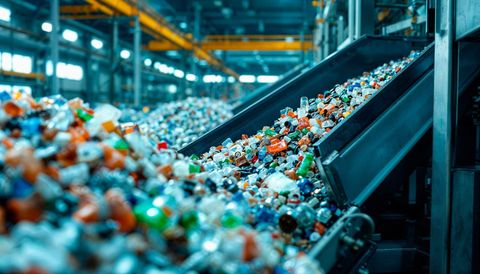
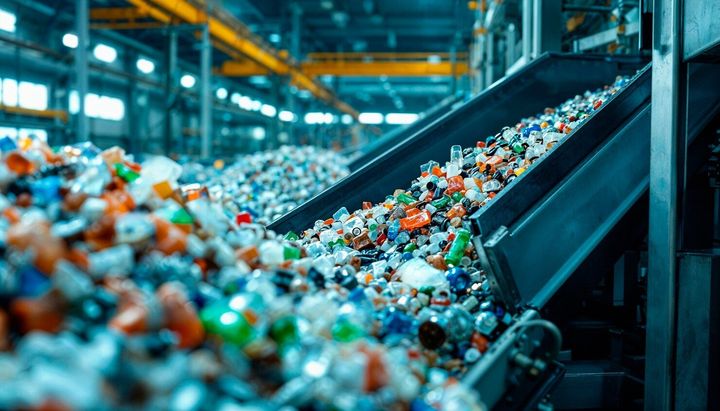
AI-powered sorting systems use computer vision to identify materials on conveyor belts. These systems improve recycling accuracy and reduce contamination.
AI technologies can recognize:
-
Different types of plastic
-
Metal alloys
-
Glass colors
-
Organic waste
This technology increases processing efficiency in large recycling facilities.
Chemical Recycling Technologies
Traditional recycling often focuses on mechanical processing. However, chemical recycling methods have gained attention for handling complex plastic waste.
These technologies break plastics into their chemical components, allowing them to be reused in manufacturing.
Smart Waste Tracking Systems
Cities are increasingly adopting digital platforms to monitor waste generation and recycling performance.
Key tools include:
-
Waste tracking software
-
Smart recycling bins with sensors
-
Data analytics platforms
These systems help authorities analyze waste flows and improve recycling rates.
Circular Economy Initiatives
Many countries are promoting circular economy frameworks that encourage reuse, repair, and recycling of products.
Organizations are redesigning packaging materials and adopting recyclable alternatives to reduce waste generation.
Regulations and Environmental Policies
Waste recycling systems are strongly influenced by environmental laws and government policies. Regulations help ensure responsible waste management and encourage recycling practices.
Many countries have introduced policies focusing on extended producer responsibility (EPR). Under this framework, manufacturers are responsible for managing the lifecycle of their products after consumption.
Common regulatory approaches include:
-
Mandatory recycling targets
-
Packaging regulations
-
Waste separation guidelines
-
Landfill restrictions
For example, several national programs require waste to be separated into categories such as:
-
Organic waste
-
Recyclable materials
-
Hazardous waste
-
General waste
Environmental regulations also promote the use of waste tracking technologies and reporting systems to monitor recycling performance.
International environmental agreements further encourage countries to reduce waste pollution and adopt sustainable waste management strategies.
Useful Tools and Resources for Waste Recycling Systems
A variety of digital tools and platforms support recycling management, environmental reporting, and waste tracking.
These tools help organizations measure waste generation, monitor recycling performance, and improve sustainability practices.
Common Categories of Recycling Tools
• Waste management software platforms
• Recycling data analytics systems
• Environmental compliance tracking tools
• Carbon footprint calculators
• Waste audit templates
Below is a simplified comparison of common tool functions.
| Tool Type | Purpose |
|---|---|
| Waste Tracking Software | Monitor waste generation and disposal |
| Recycling Data Platforms | Analyze recycling rates and performance |
| Environmental Compliance Systems | Ensure adherence to regulations |
| Carbon Calculators | Estimate emissions from waste activities |
| Waste Audit Templates | Assess waste streams within organizations |
Some environmental organizations and research institutions also publish educational resources on recycling technologies and sustainable waste practices.
Public awareness platforms often provide guidance on:
-
Waste segregation methods
-
Recycling symbols
-
Material recovery processes
These resources help individuals and businesses better understand recycling systems.
Waste Recycling Flow Example
Below is a simplified representation of how materials move through a recycling system.
Waste Generation
        ↓
Collection and Transport
        ↓
Sorting Facilities
        ↓
Material Processing
        ↓
Manufacturing with Recycled Materials
        ↓
New Products Enter Market
This cycle allows materials to be reused rather than discarded, reducing environmental impact.
Frequently Asked Questions
What is a waste recycling system?
A waste recycling system is an organized process used to collect, separate, process, and reuse waste materials. These systems transform discarded materials into usable resources, reducing landfill waste and conserving natural resources.
What materials can typically be recycled?
Common recyclable materials include:
-
Paper and cardboard
-
Plastic containers
-
Glass bottles
-
Aluminum and steel cans
-
Electronic components
-
Organic waste for composting
The specific materials accepted depend on local recycling infrastructure.
How does recycling help reduce environmental pollution?
Recycling prevents waste from accumulating in landfills and reduces harmful emissions produced during waste decomposition or incineration. It also decreases the need for extracting raw materials, which reduces environmental degradation.
What technologies are used in modern recycling systems?
Modern recycling systems use technologies such as:
-
Artificial intelligence sorting machines
-
optical scanners
-
magnetic separators
-
shredders and compactors
-
waste tracking software
These technologies improve efficiency and material recovery rates.
What is the circular economy concept?
The circular economy is an economic model focused on minimizing waste by reusing materials and resources. Instead of discarding products after use, materials are recycled and reintroduced into production cycles.
Conclusion
Waste recycling systems play a vital role in managing modern environmental challenges. As global waste production continues to increase, effective recycling processes help reduce landfill dependency, conserve natural resources, and support sustainable economic practices.
Advances in recycling technologies, digital waste tracking tools, and environmental regulations have improved the efficiency of recycling systems worldwide. Artificial intelligence sorting systems, chemical recycling innovations, and circular economy initiatives are shaping the future of waste management.
Public awareness and responsible waste practices remain essential for these systems to function effectively. When individuals, industries, and governments collaborate, recycling systems can significantly reduce environmental impact and support long-term sustainability.