Kundan Jewellery Guide: History, Craftsmanship, Cultural Significance and Modern Trends
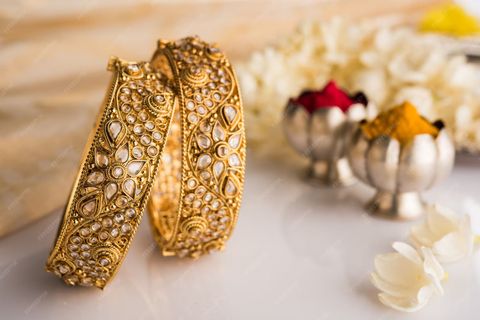
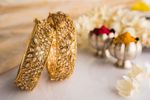
Kundan jewellery is a traditional form of gemstone jewellery that has been part of South Asian culture for centuries. It is known for its intricate craftsmanship, detailed design, and use of highly refined gold foil to set gemstones into elaborate patterns. The word “Kundan” refers to highly purified gold used in the setting process.
Historically, this jewellery style emerged during the royal courts of the Mughal era in the Indian subcontinent. Skilled artisans developed techniques to embed gemstones into gold frameworks without visible prongs or modern settings. Instead, thin layers of gold were carefully shaped and pressed around stones to secure them.
The technique evolved alongside other decorative arts such as miniature painting, architecture, and textile embroidery. As a result, many Kundan designs include floral motifs, symmetrical patterns, and vibrant gemstone combinations.
Several key characteristics define this jewellery style:
-
Use of highly refined gold foil
-
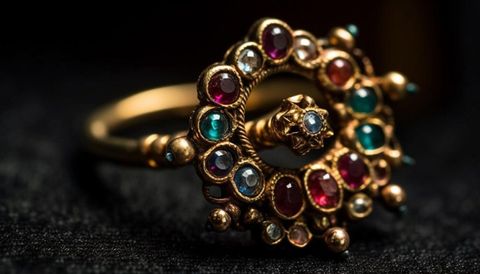
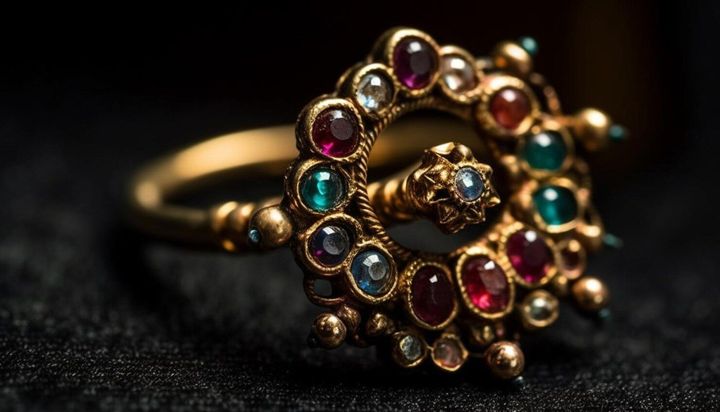
Hand-set gemstones such as emeralds, rubies, and sapphires
-
Decorative enamel work known as Meenakari on the reverse side
-
Intricate patterns inspired by nature and royal aesthetics
Traditional Kundan jewellery pieces often include necklaces, earrings, bracelets, rings, and decorative ornaments worn during cultural celebrations.
Why Kundan Jewellery Remains Important Today
Kundan jewellery continues to play an important cultural and artistic role in modern society. It represents a combination of heritage craftsmanship, artistic expression, and traditional identity.
In many regions of South Asia, Kundan jewellery is associated with ceremonial attire and cultural celebrations. Weddings, festivals, and traditional gatherings often feature elaborate jewellery designs that reflect regional traditions.
The significance of Kundan jewellery can be understood in several ways:
-
Cultural heritage preservation
-
Support for traditional artisans
-
Artistic representation of historical craftsmanship
-
Symbolic value during ceremonial occasions
For artisans and craft communities, Kundan jewellery remains an important economic and cultural activity. The techniques involved require years of training and experience, often passed through generations within artisan families.
The jewellery also attracts attention from historians, designers, and collectors interested in traditional design techniques and heritage art forms.
Below is a simplified comparison of traditional jewellery techniques:
| Jewellery Technique | Primary Material | Setting Method | Cultural Origin |
|---|---|---|---|
| Kundan | Gold foil | Gemstones pressed into gold layers | Mughal India |
| Jadau | Gold with gemstones | Hand-setting with lac support | Rajasthan |
| Meenakari | Gold enamel | Decorative enamel painting | Persia/India |
| Polki | Uncut diamonds | Traditional gold settings | Indian royalty |
These techniques sometimes appear together in a single jewellery piece, creating complex layered designs.
Recent Trends and Developments in Kundan Jewellery
In recent years, Kundan jewellery has gained renewed interest in both traditional and modern design spaces. Designers and cultural researchers have been studying historical techniques and exploring ways to preserve them.
Several developments from 2024–2025 highlight this renewed attention:
-
2024: Increased interest in heritage jewellery documented by craft exhibitions and cultural museums in India and the United Kingdom.
-
2025: Educational institutions and design schools introduced workshops on traditional jewellery techniques, including Kundan craftsmanship.
-
2025: Digital platforms and fashion archives began cataloging historical jewellery designs for preservation and research.
Another trend is the integration of traditional design with contemporary fashion styling. Designers experiment with lighter frameworks and simplified patterns while maintaining traditional gemstone settings.
The following chart illustrates general interest trends in traditional jewellery styles over recent years.
| Year | Interest in Heritage Jewellery |
|---|---|
| 2022 | Moderate |
| 2023 | Increasing |
| 2024 | Strong |
| 2025 | Very Strong |
This increased attention is partly driven by cultural awareness initiatives and documentation of traditional crafts.
In addition, fashion historians and museum curators are focusing on preserving artisan techniques before they disappear due to modernization.
Government Regulations and Cultural Policies
Traditional jewellery, including Kundan jewellery, is influenced by several regulations and cultural heritage policies. These policies vary by country but generally focus on metal purity standards, gemstone authenticity, and protection of traditional crafts.
In India, several regulatory frameworks affect jewellery production and certification:
-
Bureau of Indian Standards (BIS) regulations require gold jewellery to follow hallmarking standards to verify purity.
-
The Hallmarking of Gold Jewellery Order strengthened enforcement in 2021 and expanded compliance across the country.
-
Cultural preservation programs under the Ministry of Textiles support artisan clusters and traditional crafts.
Artisan communities involved in heritage crafts may also benefit from programs related to:
-
Handicraft development initiatives
-
Skill preservation training
-
Cultural documentation projects
These policies aim to protect consumers while also preserving traditional craftsmanship.
In some cases, traditional jewellery techniques are also promoted through exhibitions, craft fairs, and educational programs supported by cultural organizations.
Useful Tools and Resources for Learning About Kundan Jewellery
People interested in understanding Kundan jewellery can explore a range of educational tools, research materials, and digital resources. These resources help explain design history, gemstone identification, and craftsmanship techniques.
Common resources include:
Educational Platforms
-
Online craft history courses
-
Jewellery design tutorials
-
Cultural heritage learning portals
Digital Tools
-
Gemstone identification guides
-
Jewellery design software for pattern visualization
-
Cultural archive databases documenting historical ornaments
Research Sources
-
Museum collections and online archives
-
Academic journals on jewellery history
-
Cultural heritage documentation platforms
Some widely used educational platforms also provide digital visualization tools that help learners understand gemstone placement and jewellery design structures.
These tools are often used by students studying jewellery design, fashion history, or cultural heritage.
Frequently Asked Questions
What is the difference between Kundan and Polki jewellery?
Kundan jewellery refers to the technique of setting gemstones using highly refined gold foil. Polki jewellery uses uncut natural diamonds, which may also be set using traditional techniques.
Why is Kundan jewellery associated with royal traditions?
Historically, Kundan jewellery was crafted for royal courts during the Mughal period. The intricate designs and use of precious stones made it popular among royalty and nobility.
Is Kundan jewellery handmade?
Traditional Kundan jewellery is handcrafted by skilled artisans using specialized tools and techniques developed over generations.
What materials are commonly used in Kundan jewellery?
Typical materials include refined gold foil, gemstones such as emeralds and rubies, lac (a natural resin used during setting), and enamel work on the reverse side.
Why does Kundan jewellery often have colorful designs on the back?
The reverse side is decorated using a technique called Meenakari, which involves applying colored enamel patterns to enhance the beauty of the jewellery piece.
Conclusion
Kundan jewellery represents a remarkable example of traditional craftsmanship and cultural artistry. Its origins in the Mughal era highlight centuries of design innovation and artisan skill.
Today, this jewellery style continues to attract attention from designers, historians, and cultural enthusiasts interested in heritage crafts. The intricate techniques involved demonstrate the depth of knowledge required to produce such detailed ornaments.
Government regulations and cultural preservation initiatives play an important role in protecting traditional jewellery craftsmanship. At the same time, modern technology and educational resources help document and study these historical techniques.
Understanding Kundan jewellery provides insight into the intersection of art, culture, and history. It also highlights the importance of preserving traditional craftsmanship for future generations.