Industrial 3D Printers Guide: Understanding Modern Additive Manufacturing Systems
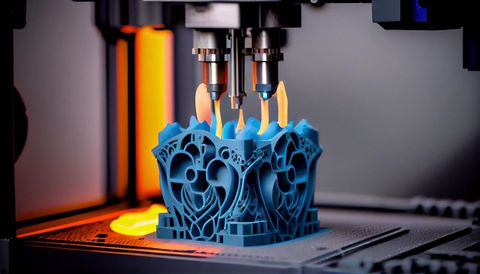
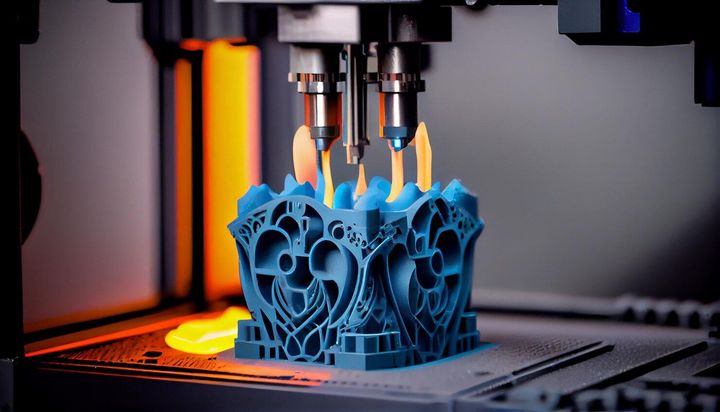
Industrial 3D printers are advanced manufacturing machines that create physical objects by building them layer by layer from digital design files. This process is commonly known as additive manufacturing. Unlike traditional manufacturing methods that remove material from a block through cutting or drilling, additive manufacturing adds material gradually to form complex structures.
The concept of industrial 3D printing began emerging in the 1980s when engineers sought ways to rapidly create prototypes from digital designs. Early systems were mainly used for product development and testing. Over time, improvements in materials, software, and printing accuracy transformed the technology into a viable production tool.
Today, industrial 3D printers are used in sectors such as aerospace, automotive, healthcare, electronics, and industrial equipment manufacturing. These machines can produce complex geometries, lightweight components, and customized parts that are difficult or impossible to manufacture using conventional processes.
A typical industrial 3D printing workflow includes several steps:
- Designing a digital model using CAD software
- Converting the design into machine-readable layers
- Printing the object layer by layer
- Post-processing steps such as curing, polishing, or finishing
The development of industrial 3D printers reflects a broader shift toward digital manufacturing, where production processes are integrated with software, data analysis, and automation.
Why Industrial 3D Printing Matters Today
Industrial 3D printing has become increasingly important as industries look for more flexible and efficient manufacturing approaches. Modern supply chains require faster product development cycles, customized production capabilities, and reduced material waste.
Additive manufacturing addresses these challenges by enabling rapid prototyping, small-batch production, and complex design possibilities.
Several factors explain why the technology is gaining attention:
- Increasing demand for lightweight components in transportation industries
- Growth of personalized medical devices and implants
- Need for rapid product development in electronics and consumer products
- Expansion of digital manufacturing ecosystems
One major advantage is design freedom. Engineers can create internal structures, lattice patterns, and intricate shapes that improve performance while reducing weight.
The following table compares traditional manufacturing with industrial 3D printing.
| Feature | Traditional Manufacturing | Industrial 3D Printing |
|---|---|---|
| Production Method | Subtractive or molding processes | Additive layer-by-layer creation |
| Design Flexibility | Limited by tooling | Highly flexible geometries |
| Material Waste | Often high | Generally lower |
| Setup Time | Requires tooling and molds | Minimal setup for digital files |
| Customization | Limited | High customization potential |
Industries adopting industrial 3D printing often use it for specialized components, rapid design testing, and small production runs.
Recent Developments and Trends in Industrial 3D Printing
Over the past year, several developments have influenced the adoption of industrial 3D printing technologies.
In 2024, many manufacturers expanded the use of metal additive manufacturing systems for producing complex parts used in aerospace and energy applications. Improvements in powder-bed fusion and directed energy deposition technologies have allowed stronger and more durable metal components.
Another trend involves the integration of artificial intelligence with additive manufacturing workflows. AI tools are increasingly used to optimize design structures, detect printing errors, and improve production efficiency.
Important developments observed between 2024 and early 2025 include:
- Increased use of multi-material printing systems
- Growth in high-temperature polymer printing
- Expansion of automated post-processing systems
- Integration with digital manufacturing platforms
Industrial sectors are also exploring large-scale additive manufacturing. These systems can produce large components such as construction elements, automotive prototypes, and industrial tooling.
A simplified overview of major industrial 3D printing technologies is shown below.
| Technology | Material Type | Common Applications |
|---|---|---|
| Powder Bed Fusion | Metal powders | Aerospace components |
| Material Extrusion | Thermoplastic polymers | Prototyping and tooling |
| Binder Jetting | Metal or ceramic powders | Complex industrial parts |
| Vat Photopolymerization | Liquid resins | High-detail prototypes |
| Directed Energy Deposition | Metal wire or powder | Repair and large metal parts |
These technological advancements continue to expand the capabilities of industrial additive manufacturing systems.
Regulations and Government Policies Affecting Industrial 3D Printing
Industrial 3D printing is influenced by several regulatory frameworks related to manufacturing quality, safety, and material standards. As additive manufacturing becomes more widely used in critical industries, governments and regulatory bodies have developed guidelines to ensure product reliability.
In many countries, additive manufacturing systems used in aerospace and medical industries must comply with strict certification requirements.
Examples of regulatory influences include:
- Aerospace certification standards for additively manufactured parts
- Medical device regulations for 3D printed implants and prosthetics
- Material quality standards for metal powders and polymers
- Intellectual property laws related to digital design files
Several government programs also support research and development in additive manufacturing.
For example:
- Manufacturing innovation initiatives in the United States and Europe encourage advanced manufacturing research.
- National manufacturing missions in countries such as India promote adoption of digital manufacturing technologies.
- Standards organizations have published additive manufacturing guidelines to improve consistency and safety.
These policies aim to ensure that industrial 3D printing technologies meet quality expectations while supporting technological advancement.
Tools and Resources Related to Industrial 3D Printing
A wide range of digital tools and resources support the use of industrial 3D printers. These tools help engineers design components, prepare files for printing, analyze structures, and manage production workflows.
Common categories of tools include:
Design and Modeling Software
- Computer-aided design (CAD) programs
- Generative design software
- Parametric modeling tools
Print Preparation Tools
- Slicing software for converting models into printable layers
- Build simulation platforms
- Material optimization tools
Engineering Analysis Tools
- Finite element analysis programs
- Topology optimization software
- Thermal and stress simulation platforms
Manufacturing Management Systems
- Digital manufacturing platforms
- Production monitoring dashboards
- Quality control software
These tools help integrate industrial 3D printing into modern manufacturing environments.
The diagram below illustrates a simplified digital manufacturing workflow.
| Stage | Activity |
|---|---|
| Design | Create digital model using CAD software |
| Optimization | Adjust geometry using simulation tools |
| Slicing | Convert model into layered printing instructions |
| Printing | Build object using industrial 3D printer |
| Post-Processing | Finishing, curing, or machining |
| Quality Verification | Inspection and testing |
This digital workflow enables efficient coordination between engineering, design, and manufacturing teams.
Frequently Asked Questions About Industrial 3D Printers
What is the difference between industrial and consumer 3D printers?
Industrial 3D printers are designed for professional manufacturing environments. They typically support advanced materials, higher printing precision, and larger build volumes compared to consumer-level printers.
Which materials are commonly used in industrial 3D printing?
Common materials include thermoplastic polymers, engineering plastics, metal powders such as titanium and stainless steel, photopolymer resins, and ceramic materials.
Which industries use industrial 3D printers the most?
Industries that frequently use industrial additive manufacturing include aerospace, automotive, healthcare, electronics, and industrial equipment manufacturing.
Are industrial 3D printed parts strong enough for functional use?
Many industrial 3D printing technologies produce parts with mechanical properties suitable for functional applications, especially when using advanced metals or engineering polymers.
How does additive manufacturing support sustainable production?
Additive manufacturing can reduce material waste, enable lightweight designs that improve energy efficiency, and allow localized production that may shorten supply chains.
Conclusion
Industrial 3D printers represent an important advancement in modern manufacturing. By building objects layer by layer from digital designs, additive manufacturing enables complex geometries, rapid prototyping, and flexible production methods.
Over the past decade, improvements in materials, printing accuracy, and digital manufacturing software have expanded the range of applications for industrial 3D printing systems. Industries such as aerospace, healthcare, and automotive continue to explore new uses for these technologies.
Recent developments in artificial intelligence, multi-material printing, and large-scale additive manufacturing suggest that the technology will continue evolving. At the same time, regulatory standards and manufacturing guidelines are helping ensure reliability and safety for industrial applications.
As digital manufacturing becomes more integrated with data analytics and automation, industrial 3D printers are likely to remain an important part of future production systems. Understanding the principles, tools, and trends associated with additive manufacturing can help individuals and organizations better appreciate how modern manufacturing technologies are shaping the industrial landscape.