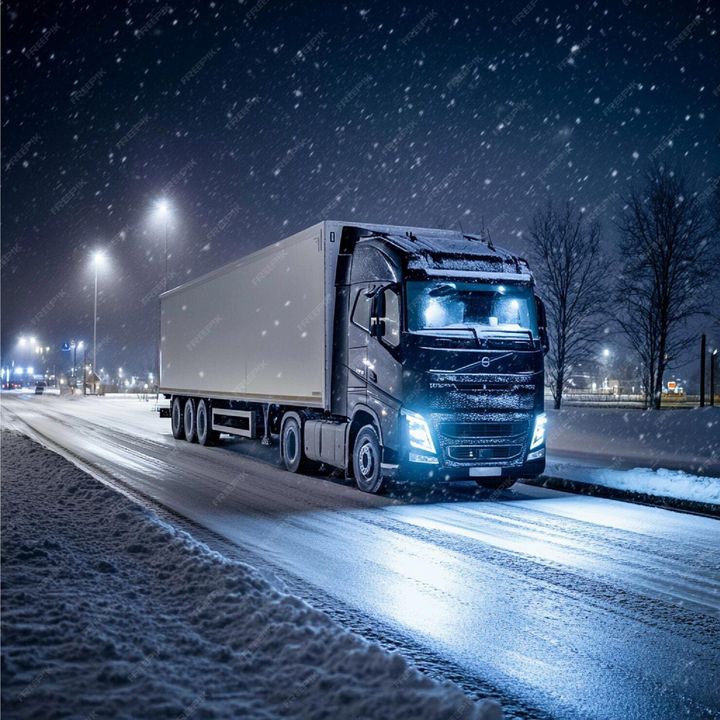
Cold Chain Transport Overview: Temperature-Controlled Logistics for Sensitive Goods
Cold chain transport refers to a specialized logistics process designed to maintain products within a controlled temperature range from production to final delivery. This system ensures that temperature-sensitive items such as food, vaccines, biotechnology materials, and pharmaceuticals remain safe and effective throughout transportation and storage.
Unlike standard shipping, cold chain logistics requires continuous temperature monitoring, specialized packaging, refrigerated vehicles, and strict handling protocols. These components work together to create a controlled environment that prevents spoilage, contamination, or chemical degradation.
A typical cold chain includes several stages:
| Stage | Description |
|---|---|
| Production | Products are processed and prepared for temperature-controlled handling |
| Packaging | Insulated containers, gel packs, or dry ice are used |
| Storage | Refrigerated warehouses maintain specific temperature ranges |
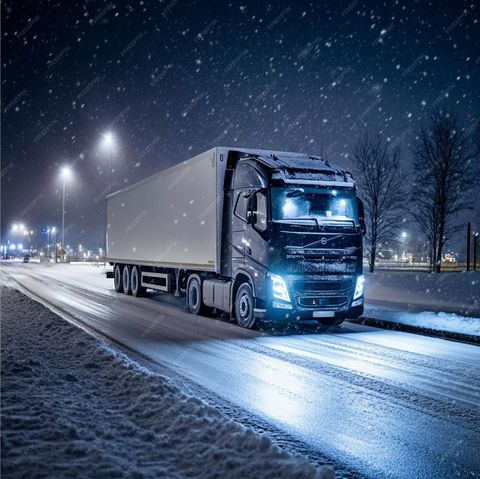
| Transportation | Refrigerated trucks, ships, or aircraft carry products |
| Distribution | Goods are delivered while maintaining temperature compliance |
Temperature ranges depend on the product type. For example:
| Product Type | Typical Temperature Range |
|---|---|
| Fresh produce | 0°C to 8°C |
| Frozen foods | −18°C or lower |
| Vaccines | 2°C to 8°C |
| Biopharmaceuticals | −20°C to −80°C |
Cold chain systems exist because many modern products lose quality or become unsafe if exposed to temperature fluctuations. As global trade increases, maintaining these conditions across long distances has become a major part of modern logistics.
Why Cold Chain Transport Matters Today
Growing Demand for Temperature-Controlled Logistics
Cold chain transport plays a crucial role in modern supply chains, particularly in industries that rely on strict environmental conditions. Food safety, medical reliability, and biotechnology research depend on precise temperature management.
The system benefits multiple sectors:
| Industry | Role of Cold Chain |
|---|---|
| Food and agriculture | Preserves freshness and nutritional value |
| Pharmaceuticals | Protects vaccine potency and medicine stability |
| Biotechnology | Maintains sensitive laboratory materials |
| Chemicals | Prevents reactions caused by heat exposure |
Without proper cold chain management, products may spoil before reaching consumers. This leads to economic losses, safety risks, and supply shortages.
Global Food Security and Healthcare
The cold chain has become essential in addressing food waste and healthcare distribution challenges. The United Nations Food and Agriculture Organization (FAO) estimates that a significant portion of perishable food is lost during transportation due to inadequate refrigeration.
Similarly, healthcare systems rely heavily on temperature-controlled transport. Vaccines and biologic medicines must remain within strict temperature ranges to remain effective. If exposed to heat or freezing conditions outside recommended limits, they may lose their potency.
Cold chain transport therefore protects both public health and global food supply systems.
Recent Developments in Cold Chain Logistics
Technology Advancements (2024–2025)
Over the past year, several technological trends have improved cold chain reliability and transparency.
Smart temperature monitoring
Many logistics providers now use IoT sensors that continuously measure temperature and humidity inside containers. These devices transmit real-time data through cloud platforms, allowing logistics teams to detect issues immediately.
Artificial intelligence in route planning
AI systems analyze traffic patterns, weather forecasts, and vehicle performance to optimize delivery routes. These improvements reduce delays that might expose goods to temperature risks.
Advanced packaging materials
New insulation technologies have improved thermal stability during transportation. Phase-change materials (PCMs) can maintain stable temperatures for extended periods without continuous refrigeration.
Global Market Growth
According to logistics industry reports released in 2025, the global cold chain logistics market continues expanding due to rising pharmaceutical distribution and international food trade.
Key drivers include:
- Expansion of vaccine distribution programs
- Growth of biologic drug manufacturing
- Increasing demand for fresh and frozen foods
- Rising online grocery delivery systems
These developments have increased investment in refrigerated warehouses, temperature monitoring technology, and specialized logistics infrastructure.
Regulations and Compliance in Cold Chain Transport
Temperature Control Standards
Cold chain logistics operates under strict regulatory frameworks to protect public health and product safety. Governments and international organizations establish standards for temperature monitoring, packaging, and transport documentation.
For pharmaceutical products, many countries follow guidelines aligned with Good Distribution Practice (GDP). These standards require logistics providers to maintain documented temperature records and validated transport processes.
Vaccine Distribution Guidelines
Organizations such as the World Health Organization (WHO) and national health authorities publish cold chain requirements for vaccines and biologics. These rules define acceptable storage temperatures and monitoring procedures during transportation.
Failure to maintain required conditions may result in product rejection or disposal.
Food Safety Regulations
Food products transported through cold chains must comply with national food safety standards.
Examples include:
| Region | Regulatory Framework |
|---|---|
| India | Food Safety and Standards Authority of India (FSSAI) cold storage rules |
| European Union | EU food hygiene and transport regulations |
| United States | FDA Food Safety Modernization Act |
These policies ensure that refrigerated food products remain safe for consumption during transportation and storage.
Tools and Resources for Cold Chain Monitoring
Various technologies and digital platforms help organizations manage temperature-controlled logistics effectively.
Temperature Monitoring Devices
| Tool Type | Function |
|---|---|
| Data loggers | Record temperature during transport |
| IoT sensors | Provide real-time monitoring through cloud systems |
| GPS trackers | Monitor vehicle location and environmental conditions |
These tools help detect problems early, allowing operators to correct temperature deviations before products are damaged.
Cold Chain Management Software
Digital platforms assist logistics teams in tracking shipments, analyzing temperature data, and maintaining compliance records.
Common software features include:
- Real-time temperature dashboards
- Shipment tracking and alerts
- Compliance documentation
- Predictive risk analysis
Packaging Solutions
Modern packaging technologies help maintain stable temperatures even when refrigeration systems are unavailable.
Examples include:
| Packaging Method | Purpose |
|---|---|
| Insulated containers | Reduce heat exchange |
| Gel packs | Maintain cool conditions |
| Dry ice systems | Support ultra-cold shipping |
| Phase-change materials | Stabilize temperature for longer periods |
These tools support reliable cold chain transport across international supply routes.
Frequently Asked Questions
What products require cold chain transport?
Many temperature-sensitive goods depend on cold chain logistics. These include vaccines, insulin, biologic medicines, dairy products, seafood, frozen foods, fresh fruits and vegetables, and certain laboratory materials.
What happens if the cold chain breaks?
A break in the cold chain occurs when products are exposed to temperatures outside their safe range. This may lead to spoilage, reduced shelf life, or loss of effectiveness in pharmaceuticals and vaccines.
How is temperature monitored during transport?
Temperature monitoring is typically performed using electronic data loggers or IoT sensors. These devices record temperature readings continuously and may transmit alerts if conditions move outside acceptable ranges.
Why are ultra-cold temperatures required for some medicines?
Certain biological medicines and vaccines contain delicate molecular structures. Ultra-low temperatures help maintain their stability and prevent chemical breakdown during storage and transportation.
How long can cold chain packaging maintain temperature?
The duration depends on the packaging type and environmental conditions. Some insulated systems maintain stable temperatures for several hours, while advanced phase-change materials can protect shipments for multiple days.
Conclusion
Cold chain transport is a critical component of modern logistics systems. By maintaining precise temperature conditions during storage and transportation, it ensures that sensitive products remain safe, effective, and high in quality.
Industries such as healthcare, agriculture, and biotechnology depend heavily on these systems to protect products that cannot tolerate environmental changes. As global trade expands and demand for temperature-sensitive goods increases, the importance of reliable cold chain infrastructure continues to grow.
Recent technological advancements—including smart sensors, AI-based route optimization, and advanced packaging—have significantly improved cold chain performance. At the same time, regulatory standards help maintain safety and accountability across international supply networks.
Understanding how cold chain transport works provides valuable insight into the systems that protect food supplies, medicines, and scientific materials worldwide. As logistics technology evolves, temperature-controlled transportation will remain an essential element of global supply chains.